
PBIP – Ep. 228
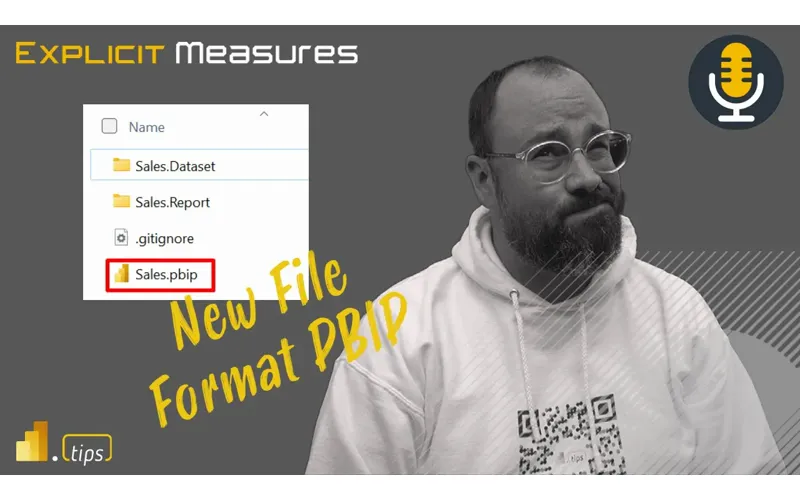
PBIP finally makes Power BI feel like it belongs in a repo. In Ep. 228, Mike, Tommy, and Seth walk through what the Power BI Project format changes for collaboration, how it fits a CI/CD pipeline, and what to watch for when Fabric preview features (and their costs) don’t behave like you expect.
News & Announcements
- Power BI projects overview (Microsoft Learn) — Official PBIP documentation—what a project contains, how it’s structured, and when to use it.
- Intro to Git integration in Fabric (Microsoft Learn) — How Fabric connects items to Git and what’s currently included/excluded.
- Introducing the new Power BI Project and why it is important (SQLBI) — Context and rationale for PBIP, plus what it changes for real-world teams.
- DevOps & CI/CD for Power BI (SQLBI) — CI/CD patterns for Power BI—what works, what breaks, and how to design a reliable release process.
- Tips+ Theme Gallery — Fresh themes and icons to keep report styling consistent across your portfolio.
- Explicit Measures Podcast — Subscribe and browse the full episode backlog.
Main Discussion
Topic: PBIP + source control + CI/CD (and where Fabric Git integration fits)
PBIP is one of those changes that looks small on the surface (a new save format) but rewires how teams can collaborate. With a project-based structure, you can finally diff changes, review pull requests, and build repeatable release pipelines—without passing PBIX files around like fragile artifacts.
The crew also calls out a reality check: modern DevOps is more than Git. You still need a deployment story (promotion, environment parity, ownership), and when you’re evaluating Fabric preview features you should assume costs and background artifacts are real until proven otherwise.
Key takeaways:
- PBIP makes Power BI artifacts diff-friendly by storing report/model components as a structured project instead of a single opaque file.
- Separate semantic models from reports so one trusted model can serve multiple report experiences without copy/paste duplication.
- Define a Git workflow (branching + PR review) before you “turn on source control,” or you’ll just create noise in the repo.
- Be explicit about what gets promoted between environments (dev → test → prod) and how you’ll roll back when something breaks.
- Understand Fabric Git integration’s current scope so you don’t assume unsupported items are protected by version control.
- Preview features still consume real capacity—watch for auto-generated artifacts and measure cost before you scale.
- Standardize naming and ownership so the technical workflow maps cleanly to the operating model (who owns what, and why).
Looking Forward
Start with a single pilot report: convert it to PBIP, wire it into Git with PR review, and validate the end-to-end deploy story before scaling it across the org.
Episode Transcript
0:31 good morning everyone welcome back to the explicit measures podcast with Tommy Seth and Mike hello everyone hello Mike how are you hello good morning hello data Mike it’s been a long week I think I feel like it’s like it’s already Thursday it is Thursday it’s going to blow your mind is apparently it’s Thursday and we’re close to a long holiday weekend true oh is that this weekend okay yeah yeah like coming in coming in hot early
1:02 yeah like coming in coming in hot early next week Fourth of July is on a Tuesday yeah it’ll be interesting do you work on two do you work on Monday and Tuesday or just have off one or two of those days they have instituted summer hours on every other Friday and rather than have our summer hours on Friday that it’s going to be on Monday so it’s like a quick check-in on Monday so like half day in between right and most most folks are taking it off obviously so
1:34 obviously so yeah it’d be nice a nice little break for those of us who manage a lot of people we use those days to do development because it’s quiet you’re not getting hammered with questions or tons of meeting requests and things like that so yeah looking forward to it should be good good week should be good times all right let’s jump into some quick things around the internet Tommy you found something that’s quite interesting here on the twitters
2:04 twitters that appeared the Twitter first off the Twitter versus you can always always rely on the twitterverse never disappoints right to find some gold nugget worth talking about so we’ll put this in the chat as well and this comes from and I I will absolutely box the name so but my money delajo I I know I find that you’re terrified it I bet that’s okay this goes right off of the cusp of
2:34 this goes right off of the cusp of what we were talking about the previous two episodes about the automatic artifacts that are created in a fabric workspace if you create a lake house yes automatically there is that data flow default data flow that’s created and there’s actually four of them and according to manone it was talking about that default data flow Gen 2 that’s created that you have no control over so to speak and really you’re not really doing anything with
3:06 you’re not really doing anything with he’s looking at his fabric capacity management and it was by far and away running well over what looks to be the majority of his CPU processing for this artifact that he has nothing to do with it nothing to do with so which is concerning this we’ve talked about this a lot about how great fabric is but there’s going to be a cost issue with this and our our limitation with your own capacity and the hopefully
3:36 with your own capacity and the hopefully it’s a bug and I think he’s saying that as well but it’s concerning yeah I I haven’t I’m necessarily so I have been running a fabric one thing I think that’s worthy to note here if you are on a fabric trial I didn’t know this until a couple days ago there is a Microsoft fabric app you can go get from the App Store so I would what yeah there is a there is an apps in the app location and you should go get the Microsoft fabric
4:06 should go get the Microsoft fabric capacity metrics so if it wasn’t good enough that we had at least three metrics apps around what’s going on in your tenant here’s yet another one so you now need the old if you’re running old gen 1 power bi premium you could go get that one if if you need Gen 2 you’ll need that as well so just FYI there is another capacity metric tip I will say it’s it’s pretty good it helps you at least at a glance see what’s being
4:36 at a glance see what’s being used or capacity wise I have this this capacity amp basically draws two main questions for me and I’d be curious what you guys think about this as well my first question is one what the heck are some of these assets that are being created and do they how do I do I they’re just going to sit there and consume capacity they’re just going to sit there and spin and if you’re turning on a lake house or a data warehouse it’s just going to sit there and eat
5:06 I don’t know cus eat eat cus yeah yeah I guess the the thing that’s interesting to me is is before I jump on the bandwagon of oh my gosh like they’re charging us all this stuff and like eventually they won’t I almost wonder if it’s it’s the opposite where they just haven’t integrated all the costs into the front line stuff right like this is this could very well be the back impost that that is part of what what you’re going to incur and they’ve broken it out into the front side
5:38 into the front side data elements that are visible to you right like they could be sub elements in all of the other like Frontline things they do eventually like want to retain and not good whatever but they would still need to show where those costs have gone so rather than a separate line item as it is now which is causing consternation I almost wonder if it’s like technically part of the other pieces it just needs to get broken out into them into them yeah so the question word of caution
6:08 yeah so the question word of caution here is I would not personally assume that that cost just goes away yes I would 100 probably lean in more towards that cost being part of it it just needs to get integrated into the pieces you see so that it breaks out the way you think think this has been but this is also I think this also speaks to my gripe around this whole thing anyways I don’t know what’s going on like yes it’s in preview fine but I have no way of gauging how far along we are in this process like how much am I really
6:39 like how much am I really spending it’s a preview fine but also part of the preview is like I didn’t know how much stuff it’s costing so I can say okay don’t turn this on that’s going to be expensive don’t turn this one on this was efficiently run like I don’t know yeah I agree with the comment from the standpoint that it’s great to kick the tires on the new thing yes it would be good to know but that is that’s significantly different than exploring exploring like real world transitions or how do
7:09 like real world transitions or how do you use the tool in in your ecosystem because cost is absolutely a factor yes right so yes preview should be part of the like the testing so that you can come out of this and have the conversation that’s going to be had which is well yeah these these offer great capabilities and that’s why it’s worth the worth the five percent increase or this is the best thing ever because it’s going to save us 10 across our Solutions I can
7:40 save us 10 across our Solutions I can justify this in this thing right and yeah yeah like if you if we can’t do that in the preview I think that’s a mess yeah because then you’re actually then you’re needing r d budget to go determine whether or not it’s a viable replacement for certain aspects of Your solution yep yes yes so we’ll see that’s my one my one complaint is the the CU being unknown and my other complaint here is my understanding is fabric uses one Lake
8:12 my understanding is fabric uses one Lake in one lake is blob storage to some effect somewhere probably more complex and I’m boiling down to I’m making it very simple here but my understanding is if you’re using Fabric and you’re storing all these artifacts down into one Lake all of the one like artifacts are counted towards a storage cost that I think goes to you as well so you don’t get all this storage just know you don’t get all this storage just for free I think you get a portion of it for free just because it’s part of your Microsoft 365 and if you read the documentation on Microsoft this is what is interesting
8:42 Microsoft this is what is interesting you get a hundred terabytes of storage from Microsoft using a power bi Pro license which I think is a made-up number like if you if you actually stored 100 terabytes of data a month it would be way more than ten dollars per user inside your tenant per per capacity that seems that seems a bit like suspect there at best so anyways that’s another thing I just don’t know how that works I need to figure that one out before I really can start stepping behind this and saying yeah I endorse it it’s ready to go I
9:13 yeah I endorse it it’s ready to go I feel like there’s some more someone yeah Alex thanks for correct me there yeah a premium P1 at the capacity level gets you 100 terabytes of storage which that’s pretty crazy that’s generous that is very generous but yeah hey how many how many companies are actually going that high with stuff right I don’t know I don’t I would think at some point in time you’re you’re well actually I’m gonna draw that back
9:47 if a P1 is 100 terabytes of storage that that’s that’s actually really well you get the storage along with it it’s correct you’re paying P1 prices after storage so but if someone is someone making a hundred terabytes of data flows I don’t know and if that runs for five years maybe it starts getting pretty high high right if you’re having a data flow it’s continually loading data over and over and over again not working I’ll play that after incrementally refreshing gigabytes per day I don’t know maybe maybe we’re doing
10:17 don’t know maybe maybe we’re doing something like that that would be crazy and that storage is compute and processing part of that in a sense storage like does it work like Ram was it literally just artifacts that sit there sit there yes okay yep every I think it’s it also data flows if you make a data flow inside a inside a RPI workspace if you don’t attach your own storage account which means I can connect to it with Azure storage Explorer whatever else I want if I let Microsoft manage that experience
10:48 I let Microsoft manage that experience for me they’re staying up the storage account and everything I store in that
10:51 account and everything I store in that data flow then goes into Microsoft’s bucket and that’s the part that I’m like okay that’s to me that’s the understanding of that but that whole hundred terabyte thing has been vague in general anyways seemed obtuse I love I I’m actually really enjoying the the one-off like little intro like hey I found this tweet in in Fabric in general because it’s like a 15 minute conversation right oh hey here’s the new
11:21 conversation right oh hey here’s the new feature an announcement thanks anyways so keep testing it out I would say recommend go get the Microsoft fabric app in your tenant you should definitely check that out and see if you can install that I believe the owner of your fabric opacity needs to be the user of that app so if you are the owner of the test fabric then yes it should work if if you are not the owner of that fabric trial then I think it will not let you access it because you need to have access to the data that supports it
11:51 have access to the data that supports it in other news we just released another major version to the theme generator and I think we are now at full parity with everything you need to build inside a theme file so we’ve been slowly adding more features to the theme generator generator we’ve got this great color wheel we have now this gradient Builder but in addition to that now you can also add color classes and text classes per the Microsoft documentation now so you can now change the root colors of your report you can look at the status colors like good bad neutral if you have a
12:22 like good bad neutral if you have a gradient that you’re going to apply to your report those colors come by default but you can adjust those numbers and then you can even adjust some of the foreground and background colors these are all the colors like foreground foreground light for brown dark neutral light neutral dark the documentation from Microsoft provides some insight to what these things are but it’s a little bit challenging to know what each color will do for each object but we try to make it easy there’s actually a report you can render right alongside that so if you’re a tips plus subscriber which we’d like recommend you go get you
12:52 which we’d like recommend you go get you can log in and not only can you see these values change in real time on some visuals it’ll make it easier for you to stylize your reports anyways I want to let that that’s out there for text classes and color classes both those are can now be a part of the theme generator tool well you’re missing one of the biggest probably Bombshells out there with the tool at least for me is the ability to assign a color that’s not part of the palette oh yes so first for subscribers yeah so if you what you traditionally have done is every
13:22 you traditionally have done is every color you pick from the Color Picker is part of the colors you can use inside the theme generator we just added for subscribers if you want to have your own theme color custom for any property anywhere in the tool you now have the ability to add whatever custom color you want so if we add that ability as well again further enriching your experience then you can save your theme and come back to it later I would also say if you haven’t played with it you can now upload your own theme files so a lot of people have said that was another major feature that was really needed so now
13:53 really needed so now you can now upload your own theme files we’ll do a check on it and tell you if it’s right or not because we have a the ability to do that now so that’s another major Improvement that we’ve made additionally so hopefully you like it thanks Jack I appreciate the yeah the input there I I I’m literally like going around and looking for old theme files to just upload because I love that experience it’s way easier to make stuff right well like so the experience for people who don’t know when you upload a file it automatically opens up our the code
14:24 automatically opens up our the code generator right so it shows you the code in and it validates whether or not the theme meets the new specs and if it doesn’t it does a fantastic job of like oh the problem is on this row and you just scroll down and solid it replace it whatever you want boom fixes it it’s it’s slick so anyways if you it’s a lot of time if it’s been a while since you and themes have had a rendezvous your theme file is probably not going to work with the new one just because it this is doing dealing with the schema that’s
14:54 doing dealing with the schema that’s coming from Microsoft the new schema and this will this will take any old schemas you have and immediately bring them up to current with whatever the spec is doing today so again it’ll show you where the errors are and then you can go ahead and edit them plus if you find a property somewhere in the theme generator that you want to know how it works or how to write it out you can now click the code button anywhere you want in the tool and it will illuminate the code for you and show you the code of what you just wrote or what feature is inside the theme file so anyways we think it’s really good it’s very cheap
15:24 think it’s really good it’s very cheap to get going with tips plus so we highly recommend you check it out let me know if you have any questions excellent excellent with that let’s jump into our main topic for today for today surprise shocker we’re still talking about fabric I Just Can’t Get Enough Just Can’t Get Enough Enough I’m trying to work my way through what this fabric Thing means so this time we’re talking more about the git integration or now this new file type called pbip there’s now a power bi
15:56 type called pbip there’s now a power bi project file that’s appearing from Power bi desktop that was just recently turned on this month this June which wasn’t the first feature appeared and yeah let’s jump into there let’s let’s talk about what is the pbip and then what is the impact of that the power bi project file how does it impact our workspaces now how is this going to change our workflow potentially and I think that’s a big part of today because we had a previous episode we already talked about git we talked about the implications of it but there’s
16:28 the implications of it but there’s obviously a lot more here and I think especially for teams how does this how is this going to affect the process where are there going to be bottlenecks regardless if there is a team who’s well up to date with how git works but just really this entire new process flow the new technology like how is going to impact teams how easy is going to be to in a sense handle and what does the might that grow up store look like this is something that I think us as developers have been waiting for for a
16:59 developers have been waiting for for a long time long time so this is I I think every single project I’ve been on that has an Enterprise or an I. T team showing up to do power bi the very first question is how do we control how do we control the the content that we’re producing and I I didn’t realize this but this is something else I think that came out recently was if you’re if you’re a company that requires Sox compliance so if you’re going for a stocks compliance in your organization one of the questions is how
17:29 organization one of the questions is how do you control your code and so if you’re using reporting in that lens lens the question is will you if you’re doing app development yeah you’re using a git of some sort to control that code there’s there’s a release process that you have developed and that becomes part of your organization but now if you’re let you’re using reporting as part of your stocks compliance you’re trying to be Sox compliant for other things this now applies to stocks compliance now again I’m not a Sox compliance expert I’ve helped a couple companies talk through and have some interviews with people who
18:00 and have some interviews with people who are trying to do a review for them make sure they can get certified but this seems to me like another blocker for the old world of doing power bi well where do you put your files well we just put them on SharePoint what’s your review process to get a a change to report how do we know the data is accurate right these are questions that a compliance standpoint you have to have in place yeah and with that with that compliance right essentially organizations need to invest in the
18:30 organizations need to invest in the people or teams and that process being more rigorous than publish yeah published from desktop yeah we just go to desktop we just download it and yeah you guys ready publish or yeah doing doing some checks and balances right like so it’s for for people that are not familiar it there’s at least at least probably four to five additional steps which are all review steps yes or teams or people or
19:00 steps yes or teams or people or automated processes are checking validating and ensuring that whatever change no matter how big or small not only compiles and works the way we would expect it to but also gets rigorous q a against like a set of what is this new feature let’s check all the old features just to make sure this new feature didn’t break them yes Etc so it it this is why Dev Cycles take longer be in general like if we’re talking just
19:31 be in general like if we’re talking just application development and and whatnot because you introduce these steps to ensure the quality of the product remains at a extremely high level because not only with Sox compliance but also within your organization you probably have have slas slas for internal or external customers but I could see definitely the use case mean I could see definitely the use case here where you have external facing reporting where you absolutely want to
20:02 reporting where you absolutely want to jump on this bandwagon where you might have a little bit more wiggle room with the internal but at the same time using git and this process is still a better solution than SharePoint was because that was the only solution we had right yeah Version Control in SharePoint files yep so it saved my life a few times but it’s still a good idea still a good idea yeah but the challenge with SharePoint which I have recently had the pleasure
20:32 which I have recently had the pleasure this pleasure of it requires people to check things in yeah right like you can still work outside the bounds of of things and make deployments to production areas and not not update the file sure yep and this is this is also where I think it becomes very important as well you need you need the ability and this is where I think deployment pipelines come into play here working with like a SharePoint type development so just explain SharePoint right SharePoint is this Landing place where you would
21:02 is this Landing place where you would put all the power bi files yeah right and if you want a secure way of being able to get something from developers into a production environment it really makes sense to do Dev test prod it does make sense to have different workspaces for segmenting each of that those bodies of work because the data model has to be different potentially in three different areas as you test things and make sure that it it’s updated for production deployment pipelines are great but not every customer is on power bi premium and this is this to me this is the rub if I’m not on power bi
21:33 is the rub if I’m not on power bi premium the process of getting things from Dev to prod involves a lot more people and because of that there’s a larger opportunity for
21:43 of that there’s a larger opportunity for errors in that space and I’ve seen a lot of challenges where people publish things accidentally to test or publish things accidentally into oh I’ll just make this one quick change in production no no no if you have access to production that breaks the whole process so I really do think you need to like pull back and like remove access to things that are in those production environments because yeah it’s really intended for a viewing only consumption method method where there’s a very limited access to those those final Assets in production it’s it makes sense
22:14 production it’s it makes sense you’d have the same thing like you build an app why would we think anything different when you build a report literally like literally like an app like a report app right yeah yeah I wasn’t trying to say like a power bi app like literally like a web app like yeah something that you build on the internet like if you’re building those things you definitely want to have that type of header control this does raise some interesting points at least from our conversation on
22:45 at least from our conversation on Tuesday about giving people access but I think again also the restrictions on when if you were to implement get which is only in a fabric enabled works oh time out right I’ve done some testing on this but yeah keep going it’s not just fabric but get going that’s wonderful then but if you were to enable this then that process to follow all of a sudden you’re going from creating artifacts and and almost try not trying to break things but from a very fluid way to now you’re you’re stuck in it is a much more rigid way of doing
23:17 in it is a much more rigid way of doing anything with it and you automatically put anyone in that workspace and those people now within this process flow within this workflow that will take more time than previously yes okay so I want to go back to your comment there tell me around this is it so when I was when I heard the feature of Microsoft the get pbip files and this whole git integration initially my thought was the same thing as you taught me I was like oh yay it’s there but it’s only going to be a fabric related feature so I have to turn on
23:48 related feature so I have to turn on fabric to get this right now I’ve done some testing it looks like it’s available in everything that is premium so every premium workspace right now and this may be just for available for preview so stay tuned this feature may change over time but you have the ability of then linking any git to any premium workspace and I think this is premium per user I’ve tried it with Azure premium so any combination of those premium elements automatically get you the git integration and I would say
24:25 if it wasn’t available for a premium capacity yes yeah that is okay cool so it is available with PPU PNF and a and EM Alex EM Alex Alex is confirming in our chat that if it is yeah it is anything premium you can use it not all artifacts yes right now now and not finalized I I think people will throw a fit if they don’t get if they don’t get this get integration in a premium per user or or a piece like okay
24:55 premium per user or or a piece like okay psqs you’re paying enough money yeah sure you’ll get it no problem but like premium per user 20 bucks per use yeah I want it right because for sure if you’re if you’re using PPU your your end users have to be PPU right so like you’re you’re you’re incurring or you’re incurring you’re you’re covering the cost I would say correct I I do I do want to draw back on one of Tommy’s comments though I think is
25:25 Tommy’s comments though I think is important right and maybe pose it as a question because when we talk about implementing git there is a quality versus time conversation that has to be evaluated within the organization I think it I think it’s it’s super easy for us to say yep Enterprise right if you were if you were managing the hodgepodge way we had to do things because we didn’t have this yes there’s an it’s a no-brainer to get on to the get as quickly as possible yep
25:56 on to the get as quickly as possible yep now the interesting thing about that is I I’d argue probably most of your bi team needs to learn how to use git because they’re not going to be super familiar with it because typically there’s like like especially in the last five years with a lot of power bi focused people that have jumped into business intelligence you’re not you weren’t forced to use Visual Studio or be in an environment where you were checking in and checking out like pbix files
26:26 files so there could be a ramp up time there but where where do you guys draw that line related to like is this is this the same conversation we have around like how do you certify a report right from the standpoint the volume of how how much visibility it gets within the organization like would you say you should always use git no matter what or any team because of the management capabilities and the
26:56 of the management capabilities and the ability to like roll back to a different version version like how low into the business or a high however you want to look at it yeah yeah how far into the business units do you go in terms of recommending that people apply this to their Solutions oh this is a great it’s a great wave and you’re talking about basically the Matthew roach pyramid right they’re they’re like Team level reporting like personal expertise level in here right yeah I agree I agree so I think there’s a there’s a number of
27:26 I think there’s a there’s a number of things your question is very well done as always Seth it’s it’s it’s always complex and like so multifaceted and it’s like this gem among the rough so I think there’s multiple areas to pick out insights from your question there right how from my perspective where does the value come from they get integration I think at a very high level get at a workspace level is immense to me that’s a very big success there in general because as soon as you turn a get on and actually I was going to say I
27:57 get on and actually I was going to say I have created a fabric workspace the trial one I have added all of my artifacts to them now granted every artifact is not being controlled by git today which that’s a downside of the git integration but for the reports and the data set side of things those are a 100 being able to be controlled by git which gives me a lot more confidence when I edit the reports in the service it gives me a lot more confidence when I edit the data set in the service because as I make changes to that environment whether
28:27 make changes to that environment whether it’s less local on desktop if I’m just adding a measure or I now feel like I have a central place where I could then pull down the changes from that get into my my power bi desktop file and and the process here is there’s there’s more process related to it or you just turn it on and let it run so so basically probably dot com just tracks it for you and you can make it very so to that technical user right you can go very technical with it like hey I’m going to do pruning I’m going to
28:58 I’m going to do pruning I’m going to pick reports and we’re going to promote things through and we’re going to have different branches you can go like really technical on it or you can stay very simple and just say I’m just going to link this workspace to a git and all of our changes will be stuck in code somewhere and we’ll have full ability to revert back out of that code base well there’s there’s two the word problem is not right but there’s two concerns that come up when you say that once you enable Git You bring everyone down to that level even
29:28 bring everyone down to that level even the business users who are creating reports right where do they have to know get now if you enable the set of workspace that’s my point though like like you if you’re working on things locally on your machine yeah maybe but you don’t have to it’s not a requirement if you turn on the get at the workspace level you can still do all your form your normal process the way you were doing things store files and SharePoint bring them down push them up to powerbia. com what will happen is the get inquiry. com will automatically acknowledge you’ve uploaded something different and force you at the
29:58 different and force you at the property. com level to check things in so I think there’s a very low barrier to using this by saying I’m going to think about this in a very simplistic way of just saying I’m going to link this workspace to git the other side of things is more complex where we’re saying you don’t actually build power bi files and check them out from SharePoint anymore instead you’re going to make a pbip file get integrated file and then you’re going to check that in and out of git all the time so both sides of the of the of the pattern work here you can go very simple or you can
30:28 here you can go very simple or you can go very complex I think it works both ways well ways well but no but if you enable git on a workspace and you say okay now we’re going to work with pbip this no longer becomes that easy just download Power bi desktop and start building why not you need to install git now you don’t you have to make it yes it does it converts it in the back into pbip because I don’t think version control works with pbix
30:59 control works with pbix so every time I’m publishing a pbix right you would still you you so again this is what I’m saying you don’t have to have every user Go full or into the pbip realm if I have a workspace that’s attached to let’s say I have a fabric workspace workspace sure your your destination your source of truth of that file can now shift is my in my is my opinion right the the get integration between that Source control and that workspace that will those two objects stay in sync
31:30 that will those two objects stay in sync so all the artifacts that make up those files are now living there you can now you can also still download files directly from there so if you go to a file or a report that was made inside inside your Hardware workspace you can download the PBX file just like you normally would it doesn’t block you from downloading that file anymore so you’re now you’re putting all these restrictions because now it doesn’t talk back so if I’m a business user who’s creating a pbix and I publish if there
32:00 creating a pbix and I publish if there were to be a change that was made by the bi team that does not then talk to the pbix file in SharePoint that requires the user to then download that report and I have not tried that with a workspace enabled I don’t know if it does pbax or a folder so now and they may not even know because again we’ve talked about business users being git averse so to speak but if they’re relying on SharePoint for their source of truth because they’re not using it
32:31 because they’re not using it and there were a change to be made on
32:35 and there were a change to be made on in the project folder how would they know you can so this is what this you it’s you bring everyone down to that level it’s last one in but that that is the expectation of that team right so if you’re gonna do that so if you’re gonna use SharePoint as your storage for the files the ppix files right don’t change your process you don’t have to you don’t do anything different that becomes the story of truth and the expectation is any changes that get made in the workspace or workspace level changes that have been integrated with that git
33:06 that have been integrated with that git all those will be overwritten like you you just they’re mutually exclusive you cannot you cannot blend those two but you have to have a process right yes and I I think it would be helpful to look at current teams process because I think the Crux of the conversation today is what is how’s the team going to adapt or in a sense migrate over to using Source control and I I thought it would be a a fun exercise to think look at what is the current process for a team right now
33:36 current process for a team right now pre-get what do you call BG before you forget and then what would it be with get fully enabled and because we’ve talked about yes it is very similar to an app but we’ve also talked about to the the ability where two turnout reports to be able to be flexible dynamic because we’re not I. T even though this is awfully if it looks like it and it’s beginning to smell like I. T
34:15 like pitfalls are like how does a team implement this but we’re instantly in the realm of yeah this team is going to implement that or wants to I think one of the right like one if there is a a conversion or clash between somebody taking a file that’s already implemented to get downloaded into pbix from my understanding it’s pretty easy to just change the file format you can flip back and forth between PBX ppip so like that can be reinstated into your get and you can merge those changes in if you needed to so like not a big deal from my
34:46 so like not a big deal from my understanding where I didn’t hear a conclusion to to my question is I think there’s going to be like there are going to be teams that probably won’t pick this up yes because publish publish is a whole lot easier than hey there’s this new tool and there’s this brand new process and all these things you have to Now understand as a lay business person that uses power bi and I think that Cliff is high yes in
35:18 think that Cliff is high yes in some teams that are utilizing power bi because you have to understand remember the spectrum of people who use power bi which is even more hilarious when you throw fabric at them it is the barrier to entry is pretty low connect to an Excel file automatically get some aggregations and that in Dax what is Dax I don’t care like I get value out of the tool and it also leads me to believe that within here there’s probably some very business-centric training or
35:50 training or like presentations that somebody could develop for the lay business user around what is the easiest and most simple way to implement git because it’s better than SharePoint like where what it what is like how do you lower the barrier of Entry Entry because for people who are not familiar with Git it it quickly goes into oh hey we can do all this stuff and this stuff and they go like ah run away run away so anyway like
36:20 like ah run away run away so anyway like I just want to point that out that it’s like it to me there’s still this Nuance of like introducing a very technical process into something that is by and large a managed business area for for many power bi reports and how do we bring them along for the ride so moving on four teams that want to like are in probably the most widely used implementation of power bi where you are using SharePoint as Version Control
36:50 using SharePoint as Version Control Tommy I think your question was how do you how do you go from that into into this realm and and I actually I have a few scenarios and think about the normal process today and then how much changes would get is how much of a better process it is how much more time is it and what other checks and balances are in place so let’s take the the good old data set Development building report from scratch a data set from scratch doing the sandbox phase with the stakeholder just building the new data set think
37:21 just building the new data set think about that process today how that’s built and all the variations you’ve seen of that what does that look like you can get and then how much more time and what process in there where this is more valuable so I I was you’re asked another question which question are we addressing because Seth asked another question and then you asked another question so which what what question well Seth was going back to saying I want to talk about the different levels of where does Source control impact the business so I I think I want to
37:52 the business so I I think I want to unpack that one a little bit more and then I’m going to come back to your question Tommy it’s like I wanna pin that one we’ll put that but then the parking lot we’ll come back to my parking lot because that’s still part of it I want to talk about your team yes so I feel like there is now a progression occurring so there’s a couple threads here in the chat window talking about where does fabric fit and how is this how Enterprise AR is is talking to some questions here I love your questions you’re asking I see fabric as fabric has is now adding to the role of
38:24 fabric has is now adding to the role of power bi power bi some additional it-based functions that we know we need right so I see there’s two new personas or two new workloads we’re bringing to power bi one is that data engineer and then they’re bringing this concept of a data scientist so these are traditional tools that were pipelines pipelines other data engineering exercises so when we talked with Matthew the Matthew Maxim roaches Maxim right yeah transform your data as far Upstream as possible and as far Downstream as necessary what we’ve done is the
38:55 necessary what we’ve done is the transform data as far Upstream as possible we now brought that into the ecosystem of power bi so to me I see this data analyst or report Builder data modeler their role is blending much more closely with a data engineer and I would fully expect a data engineer whatever they’re building to be very versed in git GitHub that technology so when we talk about okay we now have this world of we have this tool that is power bi that has been very business focused up into this point we’re now adding more
39:25 up into this point we’re now adding more it-based roles into this call it playground that we’re all working in together together now I see there’s a progression of how would I integrate git and for different levels of people in that team to your point Seth right a business user how do they integrate where does the value come from them and at what level of Engagement would I want to expect what did I expect to see a business user play with let’s get integration again my first opinion here is keep your process it’s you still work
39:56 process it’s you still work with your files your master file lives and get somewhere you can then use those files create what you need to create and you can public. com but in doing that the expectation is you’re not going to make changes to reports in the workspace you’re not going to go edit things inside the workspace because if you even if you did that today right if you edit a file in the in the workspace you immediately come become out of sync between what’s going on in SharePoint what’s going on in the workspace so it doesn’t really matter what you do don’t do it so on the next
40:27 what you do don’t do it so on the next challenge is okay so where do you use git in that scenario I feel like it would be relevant to have at least a copy of that development or that workspace inside git L ready so linking the workspace to get keep your process the same every time you upload a file you’ll just be able to see a little red button that shows up it says hey look something’s new synchronize it and that way you at least get some tracking around all those other those items the next level I see up in this one is
40:57 using git as an actual tool and so now we’re talking about checking in checking out individual reports and using the pbip file and you’ll notice there’s a couple to me there’s the the the magic of what’s Happening Here is there is the file type and it’s described actually in the in the blog about this one there’s a there’s a certain file here there’s a get nor file so if you make a pbip file from desktop you get a data set folder and a report folder and there’s the get nor for the
41:30 folder and there’s the get nor for the git ignore folder or file that describes certain objects that they want to ignore when you’re talking about the power bi file so there’s a couple things that that powerbi. com does not care about that’s inside that file one of them is localsettings. json so local settings of that file for your report the the cache the ABF and I think that’s the key part here right so if we talk about the schema that defines the data set and the schema that defines the report report the report definition and the data model definition are actually very small they’re not large in size it’s the it’s
42:02 they’re not large in size it’s the it’s the ABF file that’s very large when you load your data that’s what makes the pbix file huge so all they’ve done is they basically said I’m going to allow you to have an A B ABF file that is independent of the rest of the objects that describe a report and so when that to me is the the secret sauce to make all this work because as soon as you rip out that file that one file everything’s easy to check in and out of get get and so now you have to go into okay this
42:35 and so now you have to go into okay this team is very I. T focused we understand git or we have to do some training around it when we get power users of power bi or we get experts coming from it that are going to use power bi we push them towards more a full get solution solution does that make sense or I just go on with like 3 000 bunny trails trails we had some fun I think I think I think it it I think the conversation for me is pushing this towards that yes it’s extremely valuable the value like even
43:05 extremely valuable the value like even in the chat or going back and forth a little bit the the value is there the prop is how do you bring along the as many people in the organization as possible right yeah like the big the big teams the bi teams they’re going to love those heavy heavy users a lot of all in
43:22 those heavy heavy users a lot of all in right away right yes even if it is net new new there’s a cusp here where I think this does become part of your adoption or or if you are a team that is training users how to use and Implement power bi within an organization that the things that are widely shared so should certainly become part of this right and develop develop the ease of use training of like bare minimum right yeah here’s how we want to
43:52 minimum right yeah here’s how we want to get people onto this platform without it being the scary new object and and my my side chat in that’s going on right right now is there is this there is this level of like this is an extremely valuable new feature that we can use but in the same way power query was in Excel for a very long time in an extremely valuable to the business and how many business users actually used it because it was a new thing they had to
44:22 because it was a new thing they had to learn right yes so this is where we we I think definitely like two two thoughts came to my head one is we definitely want to develop some some training materials to like bring them along for the ride because of the value that this new feature encompasses yes but at the same time ah hate this the second point just but right at your head all right no worries like the implementation
44:54 no worries like the implementation strategies right of like bringing those those users along for the ride I agree definitely important and honestly though I know we’re talking about a lot of the conversation is also some of the new users who may would not forget but honestly though think about the last seven eight years of a bi team a large bi team or even small the centralized team in their current processes does this in a sense have a solution for whatever those ailments were for their
45:26 whatever those ailments were for their other their current processes for managing content breaks business logic changes or just peer report development right one thing I will say about git git slows everything down like right I will say it is a forcibly so it’s a process driven proven it’s actually a proven method to be able to regularly put out quality content all the time and the reason it’s it’s good like that is because it has these natural break points to I’m building this thing in a development
45:56 building this thing in a development Branch I’ve I’ve got my I think I’m done I need to go push it through and then you can then kick off a process that automates deployment across other things and to me we’re there’s a there’s another un there’s a hidden benefit here as well is if we’re thinking about Dev test and production workspaces how do we handle the migration of these changes through all these environments you can use your deployment pipelines great great but if you if you don’t have deployment Pipelines Pipelines or you’re not going to use them the
46:26 or you’re not going to use them the automation of being able to adjust or push changes into these individual environments we’ve never had a method to Auto deploy other than deployment pipeline Auto deploy changes from one workspace to another yeah you can’t take like I want line 10 on this part of the file I I only added one new page how can I push that one new page into a library that can then be modified or absorbed by other workspaces so all I’ll say is this it’s a it’s a prime
46:58 all I’ll say is this it’s a it’s a prime it’s a Time proven technology it definitely slows you down but it adds a lot of process and traceability to what that looks like and and that’s where that’s where an interesting push like it I see is happening right more often than not business has has and does just run at the speed of light everything is a fire drill you have to get these things turned around as quickly as possible and when you interject something that will slow that down that has to be an agreed upon thing
47:30 down that has to be an agreed upon thing but at the same time the volumes of data and how companies are interacting like I can’t believe I missed my second point because I literally wrote it down and it was referenced by Enterprise AR in here which is our companies pushing business users business the what we would term business users like just the Excel user into being more technical yes yes and I would say yeah progressively fabric is that that was another comment in in the chat
48:01 in in the chat can users just be Excel users anymore I don’t I I think we’re moving in a direction where I don’t think so right like the the tools and capabilities are being brought down to a level where they’re not stuck behind it and certainly offering a lot of opportunity for what you would term like General business users or information workers to become much more Technical and that should be very exciting to them but it
48:31 should be very exciting to them but it should also pot like shift their thinking to the point where I can’t just sit on my Laurels and and think Excel is going to get me through my career in the next five to ten years I have to I have to level up my game and the nice thing the great thing about a tool set like fabric is it’s lowering that it barrier of entry and exposing these people to a different and larger better ways to manage their data yeah and report on it
49:02 manage their data yeah and report on it right so ultimately once again we were light years ahead of Microsoft and everybody else like Mike think like the business act like I. T right like here we go we projected this I guess a long time ago ago to your to your point there like this is why we came out with the version control Power app that did all this it’s it’s literally the same process except instead of lifting just the small pieces of the power bi file it lifts the entire pbix file so it’s using SharePoint it’s
49:33 pbix file so it’s using SharePoint it’s version controlling inside there it’s using check-in checkout to be able to lock or not lock files that you’re using from SharePoint that’s the purpose like that we were trying we were trying to put some rigor around here’s where the source of information lives here’s where the definition of that file lives and then methodically be able to apply process to this one so this goes to our conversation yesterday or Tuesday I guess right talking about what is governance and administration of these processes and so I think what
50:04 of these processes and so I think what happens now is we’ve been now given some new tooling that really helps us to then provide better governance around our tools right these are these are the guard rails by by which we can say we play by and I think again not all data is quite created equal not all content is created equal we’re going to have portions of our organization are going to have data that is very tightly regulated and they’re going to be other portions where we don’t care it build what you want to build but we can’t stand behind it we can’t put our stamp
50:34 stand behind it we can’t put our stamp of approval on this stuff because this came out of a non-certified process so let me lean into that a bit Mike because I do agree but as I’m thinking about this using git and using Source control from A Team level point of view only makes sense if the the the methodology and the principles change in terms of how we do report development if we’re simply trying to migrate the rapid development that we do now
51:04 development that we do now and just use it in git I think that’s defeat the we’re missing the purpose of what git allows us to do the big part here being that Source control or the data governance side the contract we have with the business to verify obviously there are things that get slowed down but the point of using this new tooling this new or not new platform but using this platform in our space is the ability to verify is the ability to ensure the information the content
51:36 ensure the information the content that we have so it’s not just it’s a part of that story though it’s not full it’s hard it’s not full stop just turning on git doesn’t mean everything’s verified it means no because that’s okay all right so what I’m saying is if you just try to migrate your process with Git you’re missing the point yes but I’m saying like it’s I I think we’re walking into a space where a lot of organizations have zero process on how they get things from you process on how they get things from my working on my computer into know my working on my computer into powerpay. com like there’s just literally
52:06 powerpay. com like there’s just literally just build something publish it and then someone comes back and says oh there’s something wrong with this okay I’ll fix it you fix it and you publish it again right that’s how the process works very loose maybe not tight controls and I think well this is going to force the business to do is start thinking more like I. T that the latter part of our phrase right this is the portion that we we really do want to have and so it’ll be up to us to Define okay being people that span both both very heavily in the I. T space and very heavily in the business space okay business where do we need to bolster
52:36 business where do we need to bolster your knowledge so that you can act in a more process based way and I think another part here is that executive sponsor is going to be very important in this because with this new feature we have the ability to slow things down a lot but if we don’t communicate why the Slowdown is happening what’s the added benefits of using this and how to make sure people understand this is this is the right way right
53:07 this is this is the right way right the I gotta keep thinking certified data sets here right certified data sets 100 should be checked in to get 100 it certified data sets should have Dev test prod 100 there should be a checking portion there should be a team of people or a person who’s going through and creating reports and then making sure they’re right before they get into production yeah I think I think the sort production yeah I think I think the like Purity in the certified data set of like Purity in the certified data set realm you probably already have some rigor around your process right I think it’s going to cause the most
53:43 contention initially is interjecting the conversation process yes I agree with that business focused units but on on the and we’ve talked about this in in our just process conversations right I as a bi developer or a report author in a business unit that is just consumed by the fire hose of requests to dump out reports we’ve talked about the importance of creating a process or an understanding with the business of okay related to
54:14 related to work item management right like how do you how do you get a work item in what is your estimate what is your time for delivery Etc like this also puts in the checks and balances of quality on top of that because as long as it’s agreed upon that it’s like hey my development process and Cycle takes us this long but the quality of this product is going to be much higher like you can I can guarantee the quality of the product because it’s going through this
54:45 because it’s going through this well-refined process that we create through this new feature and that I agree would 100 have to be an agreed upon thing from management or top down because at some point in time someone’s going to come through here and challenge that process they’re going to say so-and-so needs this thing in like two days days you’re like yes they will it takes us a day to run everything through our process that and that’s a an over exaggeration but there’s gonna be a give
55:15 exaggeration but there’s gonna be a give it give it to me now yep versus I’m sorry that’s not how we do things and I can’t right yes or if you want it it and it’s outside this process then I’m not guaranteeing the work this is gonna okay and but the value there is also running things through checks and balances running them through more standardized deployment means you have a better more high quality product and it catches a lot of mistakes that go
55:45 and it catches a lot of mistakes that go out the door I agree I agree but so I we that really goes into a question I was going to ask too you didn’t make a good point though with their all the caveats and scenarios here it really is going to require the the talent and the knowledge of get stashing staging the conflict to be high or you’re going to run a lot of situations we’ll disagree on that statement I don’t think you need to know everything about it just to use the benefits of it but I do think you would
56:16 benefits of it but I do think you would want to have people more you’re not going to use stashes you’re just not well I I’m finding I’m seeing scenarios in my head of needing to push something out but you’re following a process but anyways but I you made a good point because because putting this into place and implementing this is not a independent act for the bi team because of the change that it’s going to do with from a timing point of view the additional steps so would you agree or disagree with the statement
56:46 agree or disagree with the statement a bi team cannot independently launch git or to Source control without there being a conversation and agreed upon with the executive sponsor with their data governance program I I would I would argue that so to answer your question you would not want to release git without a process in place right so well yes all right yes that would come so this is why the center of excellence exists right this is this is this is
57:16 exists right this is this is this is exactly why you need to have a center of excellence in your organization right the community practice is trying to is trying to build stuff in power bi everyone’s making things they’re just lifting whatever they’re doing right they’re pulling SharePoint files right they’ve got files stored in their local machine fine right they’re publishing to service and they don’t care and they’re always downloading from the service again to desktop making changes and Publishing back up a lot of people I see in organizations that’s how they think this works right if I just publish a department. com that is my get that is the version of the file that I need if I want to go edit it I go download it and
57:46 want to go edit it I go download it and make my changes and then push it back up okay fine I don’t I don’t like that method but with this git integration you can’t just show up and be like we’re turning it on without any process and so the center of excellence needs to be that body that documents here’s where this is appropriate here’s when we turn on git now again these are guidelines guard rails there may be a finance business unit who’s very comfortable with using git and they may be like yeah let’s turn on them and they may turn on all their workspaces I think I’m fine
58:17 all their workspaces I think I’m fine with that as an as a center of excellence but I think there’s a level of expectation that that team would understand and own that’s not a function of of the central bi team so the center of excellence needs to be clear about what are the benefits of the stuff how are we going to use it what is our process to get stuff from Dev to prod and then go back to the executive sponsor and say Here’s what we’re proposing and then the executive sponsor says yeah is this worth our time because this is gonna by turning this on you’re spending real
58:48 by turning this on you’re spending real dollars and real money of people’s time to slow things down like but you’re adding more process and more rigor to the deployment pattern so yeah for sure that’s got to be an agreed upon something from the executive sponsor is that where you’re going with that Tommy yeah and I just think that you can’t launch get in with a bi team I think without this being affected or at least part with data governance and but it’s just something that’s not siled even though it is a technology and it’s
59:18 even though it is a technology and it’s maybe just with the bi team what’s this chat GPT thing are we at time yet are you serious we’re there man oh my gosh holy cow this went so fast I’ve literally thought we were 30 minutes into the session what does Bing chat think about throwing git into the organization let me let me pull some up here I got the Burns burn a couple minutes
59:48 the Burns burn a couple minutes here Seth while I while I get the the question in here well I think Alex dupler makes an interesting Counterpoint to some of the conversation right like what I hear you guys saying is it it makes sense to do to announce and train the features so that the wider body of the organization and more teams would start to utilize the feature and understand that it’s there versus Alex saying like f no it doesn’t matter man I turned it on all my
60:18 matter man I turned it on all my workspaces and now he has visibility into what is going on regardless of whether or not people are using git to deploy things Okay okay something from a fact-finding like understanding what’s going on before I like this point but well Alex you’re acting like one of those are two different things I want to point on Alex’s point there like Alex you are the the central I. T you are the center of excellence you are you are the you are I. T showing up to that business that workspace so maybe this is a like I
60:48 that workspace so maybe this is a like I didn’t think of it that way before just turn it on let it happen and then the business keeps doing their work like they’ve always been doing and now other people like it’s now tracked all those artifacts so if someone leaves if that file disappears or whatever is happening now you’ve got record of what happened there so it’s a better way for it or the central team to understand what’s going on on might be a good idea cool all right what was that it’s you it might be a good idea I don’t know I like that idea
61:19 good idea I don’t know I like that idea I thought that would be good I didn’t think of it let me just say this without that comment surprised me because I wasn’t thinking that method I wasn’t thinking oh I that the business unit is doing things and I as the central team is trying to support them right hey I need help with this report it’s not working right okay send me your PBX files like my first statement well now I don’t have to I just go okay let’s make sure I have access to the workspace okay turn on get Boombox myself and now I can just go get stuff that I need I can go get get the stuff that I want from there okay I tried to ask a question to chat
61:50 okay I tried to ask a question to chat GPT so what does chat GPT say about git I said how would I use git as a business user in my Enterprise and it goes to this whole long but you need to install it you need to create a git repository you need a clone a repository you need to make changes commit your changes push and pull learn about branching and merging then figure out how you do a collaboration then you’re gonna jump into resolving conflicts and then finally you’re gonna need to figure out how to use version history by using your git log or git checkout so I asked the same question to Bing
62:20 so I asked the same question to Bing very similar I like the Bing’s answer a little bit more I said sure I can help you with Git there are a couple ways to use Git You may want to start looking at GitHub desktop which is a good which is a good I’d say that’s a pretty good starting point for a business User it’s a UI that helps you figure out how to check things out out it is another program called sourcetree or get Kraken it’s a powerable a powerful elegant tool for Windows and Mac I’ve used get cracking before it’s cool you can manage
62:52 before it’s cool you can manage multiple repositories work with sub models and you can resolve merge conflicts using get Kraken I think it’s a paid service but also another really interesting recommendation there your just as some of the options we provided you are available using git as a business user in your Enterprise you can find more information about git and its benefits on these official websites and points you to like get Enterprise and so here’s complete these developer platforms training
63:22 these developer platforms training around get so I thought those were pretty fair from from a recommendation standpoint regardless though I think Tommy your point earlier or maybe some Seth we’re going to have to spend more time educating like this is a brand new world for a lot of new people who are not used to this pattern forgot to figure out what this looks like to help them kind what this looks like to help them get over this initial learning skill of get over this initial learning skill right right get your gun yeah train her up
63:53 yeah train her up all right well that we have burned through a perfectly good hour we appreciate the conversation the chat has been super Lively got a lot of great discussion there so thank you chat for discussing and and making some comments that we really appreciate you as well as well our only ask or request if you like this conversation if you thought this was relevant around talking about Source control how this is going to work you control how this is going to work thinking about some of the the know thinking about some of the the details of the pbip files that are now out in in the ethos now please share it with somebody else let
64:23 please share it with somebody else let somebody else know you found value from this conversation share it on LinkedIn shared on your social medias or if you go into the office which I think very rarely happens these days if you ever go into the office talk to a co-worker let them know you found this fun explicit measure podcast and you got some value from it Tommy where else can you find the podcast you can find the podcast anywhere it’s available Apple Spotify make sure to subscribe leave a rating helps us out a ton join us live every Tuesday and Thursday 7 30 a. m Central on all the power bi dot tips social media channels and if you want a topic to for us to
64:55 and if you want a topic to for us to talk about go ahead and leave a mailbag topic a question at Power bi. tips slash the podcast excellent thank you all very much we’ll see you next time
Thank You
Want to catch us live? Join every Tuesday and Thursday at 7:30 AM Central on YouTube and LinkedIn.
Got a question? Head to powerbi.tips/empodcast and submit your topic ideas.
Listen on Spotify, Apple Podcasts, or wherever you get your podcasts.