
The Perfect Data Analyst – Ep. 234
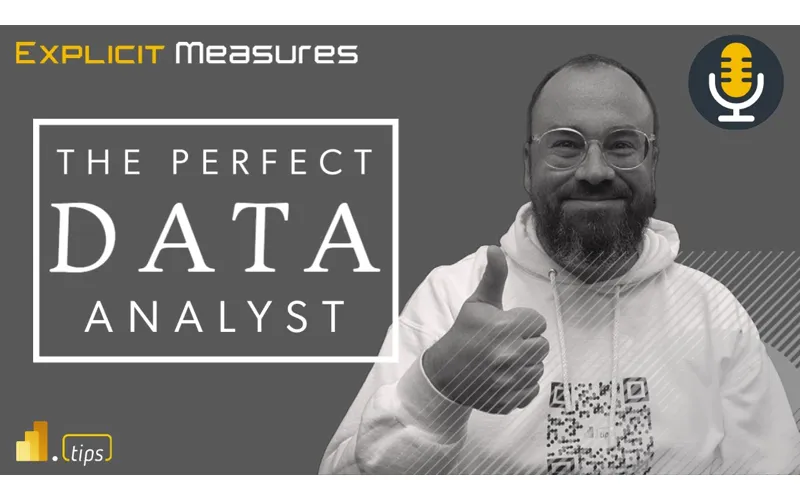
The “perfect data analyst” isn’t the person who memorized every function in DAX, SQL, or Python. It’s the person who can listen, clarify what the business is actually trying to decide, and then deliver analysis that stakeholders can trust and act on.
In Episode 234, Mike, Tommy, and Seth anchor that idea using two posts: one on Fabric data integration choices (pipelines vs Dataflow Gen2 vs notebooks), and another on why communication and business comprehension often matter more than another technical badge.
News & Announcements
-
The Good, the Bad, and the Ugly of Fabric Data Integration — Teo Lachev lays out Fabric’s three core ingestion/build options (data pipelines, Dataflow Gen2, notebooks) and what each one optimizes for (persona, volume, complexity). The key value is the candid “bad/ugly” list: troubleshooting and portability risks, limited update/merge patterns, and the reality that platform churn can make early architectural bets expensive.
-
Wanna know what makes the perfect data analyst? — Tristan Burns argues that technical skills are necessary, but communication is often the differentiator in interviews and day-to-day impact. He frames the role as a blend of storytelling, business comprehension, and the specific technical skills required for the job — then suggests practical reps (present your work, read business/strategy, find a mentor).
-
Submit a topic idea — Send the team a topic you want them to debate on an upcoming episode.
-
Subscribe to the Explicit Measures podcast — Follow the show and browse the full episode archive.
-
Tips+ Theme Generator — Generate Power BI themes quickly so your reports stay consistent as they scale.
Main Discussion
The conversation connects two things that show up in every real-world BI engagement: tools keep evolving, but the work still succeeds or fails on how well you translate between business intent and technical implementation.
Fabric is a useful backdrop because it compresses more of the data lifecycle into one platform, which increases speed and increases the odds that people blur roles (analyst vs BI dev vs data engineer) without being explicit about responsibilities and standards.
Key takeaways:
- Communication is a core analytics skill because it’s how you turn vague requests into testable requirements (and prevent “build the wrong thing perfectly”).
- Business comprehension is what gives the analysis a purpose: you need the decision and the constraints before you choose metrics, visuals, or an ingestion pattern.
- Fabric’s pipelines, Dataflow Gen2, and notebooks do map to different personas, but teams will mix them — so design for handoffs, debuggability, and ownership, not just feature checklists.
- Lower friction (creating/syncing/building quickly) is real, but missing “table stakes” features and preview changes can create rework if you over-commit too early.
- Vendor lock-in isn’t just philosophical — it’s operational: if ingestion and shaping logic live only inside one ecosystem, portability and migration costs rise fast.
- Analysts and engineers are strongest as a pair: engineers build reliable plumbing, and analysts validate that the outputs match business intent (not just that the pipeline “ran”).
- If you want to become “perfect,” practice the hard part: propose clarifying questions, present findings crisply, and build trust in the story — not just the math.
Looking Forward
Before you build your next report, write down the decision it should drive and validate that wording with a stakeholder — then design backwards from that.
Episode Transcript
0:26 good morning and welcome back everyone to the explicit measures podcast with Tommy Seth and Mike hello welcome back everybody good good morning good morning jumping back in this is a pre-recorded episode so just FYI this is something we’ve already cooked up a little bit earlier but we’re delivering it on our schedule we got people traveling and moving around so let’s jump in today I’ve got some openers today they have a good article let’s talk about what we found here across the internet here so
0:57 across the internet here so the article I believe this is from Teo lechev is that how you say his name yep Teo from Pro logica and a long time MVP I don’t think recently not an MVP but historically right very long time 15-year 2019 I think was his last so he’s a MVP of MVPs it takes a long time to be an MVP for 15. 15 years is a lot of dedication yep
1:28 yep in lieu of talking about MVPs I’m happy to happy to announce that we are also I think I’m also an MVP for this year I think Seth you made it again for yet another year yeah and then Tommy you as well not even halfway to tail yet we are seven seven years not even halfway yet excellent so jumping into the article then we’ll put the the article description here in the description of the video it the title of the article
1:58 the video it the title of the article is The Good the Bad and the Ugly of fabric data integration I’m talking about the integration piece is a fabric and what I would say again just high level before I get related to the article here which there are some I think there’s some good talking points around this article I definitely think that the fabric space has opened up a lot more options to business users on how to engineer data which may be a good thing and it could be a bad thing depending on how you look at the world so that’s just like my initial
2:28 so that’s just like my initial thought thought any other reactions gentlemen it does I like the idea of this middle portion of the notebook where he starts there’s an outline here an Excel table right so being in such a an MVP for so long knowing this space so well I really did like the table around the table around a data pipeline data flow Gen 2 notebooks these are these are those three development pipelines you potentially could use inside fabric to build data engineer and build engineering pipelines of information which I I really like
3:00 which I I really like the breakdown here and would you guys agree with that table with the different pieces in there I think Mateo did the more appropriate way I think that was our argument when we saw that decision guy were like I don’t think this makes too much sense in in the real world but but honestly I think he put in the really the right order of there’s really three roles these people have been there
3:30 roles these people have been there so so yeah so it aligns on the primary user so you have the data pipeline the dataflow Gen 2 and then the notebook so data pipelines aligned to bi developers dataflow gen twos align to the business analyst and then notebooks align to data scientists and Developers would you agree with that part Seth you think those are the right delay delineations for you yeah I didn’t spend a ton of time on on the table itself because we’ve we’ve talked about that ad nauseam but I think
4:00 talked about that ad nauseam but I think it pretty much aligned with a lot of the things we were saying I I I feel like in my opinion here is I feel like the the spark notebook I wouldn’t I wouldn’t push as hard as the data scientist I I do think people will like the experience of working with notebooks in general general now whether python or not that’s a different story but I think the experience of working with those books is actually quite I would probably put that more and
4:30 I would probably put that more and make a bi developer might also like to lose that experience as well let’s move on to a couple of other sections of the article he talks about the three areas The Good the Bad the Ugly in the good section refers to data flows are more scalable it’s you’re not limited to all these different things you need to spin up in Azure I will say with Tommy and I going through a series around just noodling in fabric it has made things a lot less friction to go create things add files synchronize them
5:02 create things add files synchronize them with your PC like from that perspective I think I think they’ve done a good job and I feel like that’s well it still has a little bit of rougher on the edges which again it’s in preview I get that I really like how much less friction there is to create the stuff you need to create well at night yeah I know the space Tommy let go I know I this is like these it just like all the stuff I’ve been doing in fabric where where I I really do what hit home to me
5:33 I I really do what hit home to me what Mateo said was I really I abhorred the idea of putting all of your bi artifacts into fabric because if if nothing else that might not always be the best use case for everything that you’re doing so I think until there’s a little more you I think until there’s a little more because right now it’s know because right now it’s acting if it was just like think about Azure and this and what we have in storage right
6:03 storage right sorry it seems to be well that makes sense Tommy okay then moving on to the Bad and the Ugly pieces of this one so it it talks a little bit more around and again it’s it’s alluding to the data engineer and the data integrator and this this mix of this new role and how this transforms into potentially a disadvantage there are some features that were in synapse that are no longer there there are some things that were an adjective Factory
6:33 things that were an adjective Factory that are no longer there that you don’t see in fabric I think everything is trying to figure their way out to understand where is the right place for this and it feels like we’re throwing a lot of data engineering tools at people at people and and I know I know I get it from a from a I miss the final comment there I missed the T SQL merge in fabric Warehouse like there’s some State there’s some things that have been taken away which I understand I think I get it hopefully those things get rounded out in the future and those features get added back in
7:04 added back in but I would almost I would almost almost argue I think Microsoft’s really trying to centralize on a team and yeah I could see this as being perceived as a bad scenario here but I perceive the data engineer and the day integrator bringing them into Power bi makes a lot of sense and I really do I really do like that experience so yeah maybe call it a bad a bad thing where you’re trying to throw too many things at Power bi I maybe disagree here a little bit and would say yeah I understand there’s some challenges there but I think this is the
7:34 challenges there but I think this is the right move long term I think I think it’s right along in the long term and and that’s what we have to waive the pros and cons to right as we’re as we’re discussing this right out of the gates is there’s a big hype cycle on it right that’s problem that I think he does bring in is an interesting one because it it brings up he brings up some of the lost implementations from synapse right so if yes is the way to go and you like build all your pipelines
8:04 and you like build all your pipelines and synapse and like that’s what we’re doing and then all of a sudden fabric shows up and you don’t have the capabilities to support the same things you just pushed in the synapse implementation agree that’s a Miss I agree so yes I think I think the base level to push into these really major new things has consistently been a Miss on Microsoft’s part they’ll eventually get in there right yeah but that’s that’s in conflict with the hype where people are trying to like get in
8:34 where people are trying to like get in on the preview and Implement new new things and lock in all of a sudden now not just reporting but ETL and this is where I think he makes the second point which may be a podcast in and of itself because I hadn’t thought about it till now but like typically engineering or companies have always liked to separate their elt ETL and data data from specific systems right like they
9:05 from specific systems right like they love playing in this agnostic system where it’s like from specific reporting systems what if that reporting tool doesn’t work for me anymore what if this new thing comes out I want to plug my data into that and I think what he’s poking at here there are definitely some implementations within fabric across the whole data stream that if you start locking into it what if you want to do something else can you that’s a great point and that I think I think Big’s more of a conversation but
9:35 Big’s more of a conversation but that is that is a very long-standing tried and true like I wanna I want my data in the way it’s shaped to be reusable anywhere I want it and does fabric actually challenge that is Microsoft trying to say yeah no you you’re in this ecosystem to benefit from everything and and is that a is that a hey we’re saying that because fabric is just out and in preview or is it that’s actually the long-term Strat
10:06 it that’s actually the long-term Strat that’s a really good thought there’s a lot of communication in this space around not having vendor lock in with a particular technology and that’s speaking to that point a little bit there right which I’ll have to think more about that like yeah I think that’s why I said it yeah that’s a good thinker right there yeah any other any final thoughts thoughts Tommy well and yeah I think I was having some internet issues so hopefully it’s been resolved but I I think the other big thing in this again this is not saying fabric
10:36 this again this is not saying fabric really okay so it’s awesome we can hear you it’s just a delayed a little bit okay okay anyways the the idea of with one Lake and or direct Lake that ability to connect to Power Band which is great in is where Microsoft’s moving but I think the big thing is we have to remember that’s only going to work with power bi right now if I want to connect to a data source in in or any
11:06 data source in in or any other of my ingestion systems is SQL which other things connect to powerapps connects to it my other applications apis but with fabric and direct link that’s really a fabric just straight to power bi so it’s really limiting the ability for what the database can do agree sweet sweet [Laughter] let’s move on to our main topic for today so so this dovetails kind today so so this dovetails into what we’re going to talk about of into what we’re going to talk about next which is another article that
11:36 next which is another article that really talks about really going deeper on so a gentleman on LinkedIn Tristan Burns is I’m trying to unpack you is I’m trying to unpack what does a perfect data analyst know what does a perfect data analyst look like what does that individual characteristics or skill set need to be have what does that person need to have from skills to understand how can it be effective in their role or what does that what does that mean and I I feel like recently especially with the introduction of fabric here
12:06 introduction of fabric here I feel like the term business analyst or data analyst and data engineer they’ve been these two topics around skills that people have but the Venn diagram I feel like because the tooling of the technology is bringing so many technology pieces together I’m not trying to Discount the skills for each of these roles but I think I feel like a lot more of the roles of those two elements are interlacing it’s becoming more integrated there’s more transferable skills between the data analyst and potentially what we’re doing
12:37 analyst and potentially what we’re doing in the data engineering space as well and so I’ll also share this link in the description as well so let’s let’s talk about these comments here from from Tristan any kind comments here from from Tristan any initial reaction to of initial reaction to what what this article is speaking to or talking to initial reaction I think you I I think it’s it’s overall I’m I’m gonna agree with a lot of it I think there are I think there’s some Nuance in here
13:08 some Nuance in here that that’ll come out as we discuss things yeah totally agree so the main the main three points or the three kind the main three points or the three initial skills that they of initial skills that they points out here at the beginning is Right main three skills as a data analyst are you need to have excellent communication skills I think I would totally agree with that you need to have some business and strategy comprehension interesting we might have to unpack that a little bit more I’m not sure if I understand what strategy comprehension means means but definitely definitely business
13:38 but definitely definitely business comprehension for sure what does the business do to get their work done and then technical skills right more specifically for that single role and then really points on of these three things communication is incredibly important be able to listen to what someone says interpret what they’re saying and then be able to return like return a response that says okay I heard you say this does this mean this is what you need this is how you’re you’re asking about that information because I think a lot of times especially when I’m working with clients
14:08 especially when I’m working with clients they’re asking me for things in reports I’m like do you really need that or are we talking about this like in helping them refine their idea like they have a good portion of the idea ready to go but potentially there’s some additional refinement and there are some business units that come in like we need we know exactly what we need here’s what we want to calculate here’s how we do the calculations let’s go and and it’s totally different story but they’re there is a skill I believe with communicating those requirements through the data to understand how to calculate
14:38 the data to understand how to calculate it it yeah for sure like you said earlier like is there crossover between a lot of data engineering data analysis sure but like where you spend your time is different like a data analyst is going to be trying to make sense of data more often throughout a work stream or solve a problem that’s found in data versus a data engineer which is typically or data even bi developer right like you’re you’re creating the plumbing you’re making sure data flows
15:08 plumbing you’re making sure data flows from point A to point B you’re modeling it you’re reshaping it you’re like based on requirement there’s a lot of those those tasks and think you’re building the report page those are the type of tasks that you’re primarily interested in in getting something up and running and then your final like you have checks throughout where you’re doing some data validation a data analyst from my perspective would be doing a lot more data work or even go and coincide with that to verify that the engineer is building the right things along the way I like that a lot too because the
15:40 I like that a lot too because the engineer is going to build stuff and the analyst has to say that’s not quite what I wanted or it’s not really QA testing it’s just validating that things are going along working the way we’d expect them but at the same time like triaging they should have a better understanding of the business in general how data comes in where it gets stored Etc so that they can have that more cohesive conversation and if if your bi developers aren’t Adept at having that front-facing
16:10 Adept at having that front-facing business conversation like that’s where your data analyst if you have an individual role for that could step in and and be the conduit between the business and the engineering teams I like that but I think ultimately like typically the way I’ve looked at analysts in general though has been they they typically would have less technical skills than a bi developer or a data engineer engineer Tommy your thoughts any other any other ideas you would add here yeah we’ve talked about this so much already
16:41 we’ve talked about this so much already and while obviously the technical skills are important honestly a lot of that can be learned in from from documentation right there’s the blog there’s an article I can do that myself sure but that that communication started or and just the the business comprehensive pension is such an element of how do I know like where where’s the skills Matrix for that right of how do I know if I’m if I’m an expert at this or not and it’s based on
17:12 expert at this or not and it’s based on also the people that we meet and understand their personalities but yeah you could have all the skill in the world and build reports all day long for yourself but honestly it’s it’s almost like the what What’s the term the something before the horse if you part before the horse communicate or first the car before the horse if you can’t listen and really in in terms like interpret someone’s needs interpret like really their pain points because most of the time they
17:42 points because most of the time they don’t really want to report they’re not I want a power bi report they’re again trying to find the answer to a problem and probably is just the greatest way to do that and I think a lot of times we go in as okay what report do you want they would love if they could get a text message on what their decision should be whatever that decision would be but a lot of times they don’t know what that is so really trying to listen and we’ve
18:10 is so really trying to listen and we’ve talked about listening and the empathices aside here but it’s yeah you could have all the technical skills in the world but if you don’t have that ability to translate and then communicate back on okay I think I hear you I think is this the pain Point it’s really hard to I think see where your growth would be yeah I think that’s interesting too but also again I think I think the right emphasis on this article or at least this post here is really focusing on the
18:40 here is really focusing on the communication side of things and I would definitely agree with with that that portion there and one of the things that he points out here in the communication portion is when interviewing for data role the first thing a hiring manager is going to notice is your ability to communicate effectively and I would also argue there probably should be some questions on your interview panel around if you’re doing the technical side of the interview you should have them explain to you a couple Concepts around power bi like explain to me how the calculate
19:10 explain to me how the calculate statement is working explain to me what filter context transition would look like or I think some of those explaining questions really help you understand can this user articulate to me me an answer about something that’s extremely technical because I think a lot of times that’s what we’re doing right we’re taking something very technical and trying to boil it down figure out a core of how it works and then utilize that knowledge to build insights or a report or an outcome that people can look at and say oh yeah
19:41 people can look at and say oh yeah here’s my decision this is what I need to take action on I think I think what’s most interesting about where Tristan plugs today is and I’m not saying that he’s doing this but a little bit and we do it as well and I think trap there’s a trap here that experts or Veterans of data fall into and that’s describing areas or areas that other people need to learn that we are vastly
20:11 people need to learn that we are vastly familiar with and describing it to novices as something that they like a thing they need to learn because his point here is like it’s not all about technical skills for a data analyst in fact like just one-third of what you need to know okay but but at the same time it’s like saying learn this insert vast experience here right and at the bottom the the key points of like go read this to several of them are communication which is presentation
20:42 communication which is presentation skills which we can talk about a little bit because we talked about it a lot but how do you share your ideas but what struck me as interesting in this is not only like that trap I think we we sometimes fall into as well when we’re talking about people who are like I want to be a really good data analyst how do I go do that and an example I’ll give you is go go out to the interwebs and type in how do I learn SQL versus how do I learn business comprehension or what is business comprehension do how
21:12 business comprehension do how many results you get for business comprehension when I say that term when I read it I’m like yeah I know what that means and what it means right I I’m like I want the technical definition for a novice who’s like I’m reading what business comprehension is in this LinkedIn post I found one link and that is a business comprehension test test you can take and part of that is to identify how you think in abstract reasoning assimilated understanding
21:43 reasoning assimilated understanding contextual reasoning deductive reasoning numeric reasoning which are Super generic as well yeah so it’s almost speaking to like how when when a novice goes well I want to be a data analyst and I run into that and they go oh oh my oh my gosh like what what do I even do with that how do I study that what do I need like does that mean I need to like buy 20 books read them or is it saying ultimately like you need to get your butt in seat
22:14 like you need to get your butt in seat in a job to gain the experience in these areas with Focus points on them I don’t know right but if I’m gonna like try to equate equate like what do I have to go study and learn learn it’s very easy to go what do I need to learn with SQL and 500 pages of results come back to me of like how I can go learn this technical skill yeah so like to me it speaks volumes of his like why do people focus so much on the technical
22:48 we’re not guiding them in directions of like hey in order to understand abstract reasoning you need to go read these three books and the the key takeaway out of those books is this right but so much of our knowledge I think has been accumulated over time that it’s very easy for us to say okay what we need to do is when you sit down here’s the questions you need to answer or get answers for because when you generate a report report like Bar None like you’re gonna get the information you would need to to put you
23:18 information you would need to to put you down the path but the why might not be there for somebody who’s never done it before and right and I think that’s where we even fall into the same trap where we start talking about things like because we already understand the results of what the business is going to give us because it becomes very repetitive right like if they don’t give us the right answer we’ll keep probing but that’s not what we say every time that’s true you say go ask this question yes that’s very true true and I think also I think you bring up a
23:49 and I think also I think you bring up a really good point here I think a lot of the business questions are very repetitive over and over again I think that’s a really like a lot of the businesses I look at and even across Industries I can look across Industries and they have very similar questions around the same type of information they’re when you and when you can understand and articulate the end goal and potentially pull up a little bit higher so there’s there’s in the weeds details building reports like for things in the weeds okay how do I get to the salesman bonus for this month like
24:20 the salesman bonus for this month like that may be a very technical piece of what your data modeling looks like when you pull really high up to like the organization level we need to make a profit and we have goals that align to that direction when you start bringing that context down into the business units okay okay what are we working on that’s aligning us to increasing efficiency profit more sales like you start thinking about these terms and and again you’re taking like some general business Direction
24:51 like some general business Direction corporate goals and you’re distilling it down to like a department and saying okay Power again this is one this is where the phrase now that you say this Seth the phrase if this report isn’t making you money or saving you money money why is the Enterprise bi team focusing their attention on this data stuff like there may there’s definitely gonna be reports that are just there for prosperity and finding answers to questions but like in general when you’re spending a lot of money on a central team to build stuff those team members should be focused on
25:21 those team members should be focused on stuff that’s saving money or making money money but I think it’s also the difference even in reporting where so much emphasis is on not just taking data from a system and throwing it into a table because it it’s just data we we look at data all the time yeah but are we doing the same thing in when we look at data analysts or data roles right are we just saying hey inherently you should understand like
25:52 inherently you should understand like what data is and they they open up a table and they’re like okay I see a bunch of values it doesn’t mean anything yes how do how do we bring like the the that role value and what do they learn right so as I was thinking like hey we should direct people more some some questions that I would say hey if you’re brand new to data you’re learning how to be a data analyst right there’s typically either you’re fixing something or you’re trying to put something together like a data set
26:22 something together like a data set together to analyze for the business and and here would be like my pointers and I I’d be interested if you guys had any others right so first and foremost understand how does data get into the system right is it from an application are customers using this are these end users who’s entering the data and how does it get it like put into the system and where what what changes happen to it then right like is anybody transforming it do we have like formulas that modify the data or in any way shape or form
26:52 the data or in any way shape or form before you’re analyzing it what do you seen like in context within the table like are you like do all the values align do some analysis on like grouping it together with different elements within there based on the knowledge that you already have and then then make a decision Point like does this apply to the issue area that I’m trying to solve
27:14 that I’m trying to solve or is this part of the information I would need to start to do data analysis but by like having those steps of like understanding where it comes from how it’s stored and how it’s living within the the data relevant to it in other columns gives you a lot of pre-understanding of how the data sits in the table before you start manipulating it before you start taking like taking a hypothesis of like what is
27:44 like taking a hypothesis of like what is wrong or how do I apply this to other areas of the business like though you have to approach data from from a business focus right where you’re asking all these questions about it it to start to gain context from it tell me what do you think any any additional pointers that that you would add the reaction to some of the Seth’s initial pointers
28:14 well honestly this is always the part of the time when Seth is is dead on but yeah I think a lot of times too you can get stuck if you’re dealing with the same data set so you know if you’re more familiar with like you’ve been working on a single department so it’s a little easier when at least I have the same people time time and again but there’s a rep to that right Seth where you’re talking about like sometimes I’m just looking at rows and rows of data it’s like how in the heck am I supposed to find what’s important how am I gonna supposed to find that
28:45 how am I gonna supposed to find that not even a diamond the rough but you not even a diamond the rough but that combination of Records of know that combination of Records of the combination of the the technical side and say to a user let me just sum this up for you to again I think Seth you brought this up a long time ago that if you had a client where they literally all they wanted was to see a thumbs up or thumbs down and that’s where I’m always trying to get to no matter how many rows of data or how technical the the the the logic is both
29:17 technical the the the the logic is both with the model itself or what we have to do in Dax the end result should be something where someone can look and say thumbs up thumbs down this is why this is what you can do about it but that’s where I’m always trying to get to and that’s very different from when I first started power bi when it was I could give you all the variables and all the things affecting it but it really I think I know that I have a good comprehension with the people looking at the report and my own comprehension of the data when that summary page and the
29:49 the data when that summary page and the high level view is is right to the point when I don’t feel the need to continue to add more visuals or continue to add more complexity if I can just simply focus on okay how do I make that turn green when I and how do I make that red when this happens if I get to that point then I’ve married that technical skills but I know that I’m at least understanding the person’s needs and again it’s hard when you’re just looking
30:19 again it’s hard when you’re just looking at rows of data because it’s harder than where to start but that’s the my end goal end goal I think that’s a really good point as well there Tommy especially when you’re talking about boiling down things to again I think what you’re what you’re alluding there is you’re you’re really distilling a lot of information down to unaction right it’s it’s red I need to go do something it’s green I can move on to something else right so it’s like that distilling down all the information down to a single data point and what I’ll also I
30:52 single data point and what I’ll also I said to your point earlier talking through the different areas you’re talking about where does the data come from what Transformations are being applied how do I get this business value on top of the information and whenever areas that I’ve seen that have a lot of challenge with this is anytime the business wants to change or continually add business rules and Logic on top of that data coming out of those Source systems I see a lot of times the business decides this is how we’re going to do this is how this is
31:22 we’re going to do this is how this is how we’re going to measure the success of our business and it doesn’t necessarily align with the operational system and then the data is being captured in a different way than it’s actually being represented in reporting and so and so to me that’s like one of the major challenges that I find with a lot of data engineering when the business objectives are not directly aligning to what where the system that to your point Seth where the people type in the data like that makes it hard let’s hang there for a minute just from
31:53 hang there for a minute just from because because that that point you just made around once reporting starts to diverge drastically because we can is one of the strongest areas I push back and I’m sure that the business understands that what they are doing right now is is going to cost the business more money in the future and what do you mean by what by that is if you’re we can do a crazy amount of like manipulation with data we can
32:23 like manipulation with data we can reshape it cleaning group yeah yeah like totally fantastic things we can do with reporting yes the more you embed that type of logic yes all of that crazy craziness because it doesn’t conform to the systems that you have yes the more Tech debt You’re Building further on and the more complex the solution is because one change in the future could automatically be a huge Cascade downstairs on the thing and
32:53 Cascade downstairs on the thing and that’s what business doesn’t understand I agree is you you can we can solve these problems for you but you are create like certain circumstances you are creating a bigger problem for yourself in the future like or none you have to understand because the next time you come around and touched touch this spot I’m gonna I’m gonna say this one is right here that’s why your estimate for this is now a month instead of a week yes right I told you about this a long
33:23 yes right I told you about this a long time ago you have to pay it like this is one of those sore spots that you’re creating and and this is a black hole and like you’re you’re not guaranteed what you get out of this is like the Magic 8 Ball it’s like shake it every time right yep but it is an important conversation to have when you start going off the charts to solve some of those like hey it’d be great if we could see our business in this light and nothing under the covers except for your reporting model and show it owns that
33:53 reporting model and show it owns that right because how do you validate like that’s so hard to like track back through do triage on data problems or whatever the case may be yes those those are hard pinch points that people need to talk through and make sure they understand and I want to be clear it’s not that I’m saying no I’m just saying this is an area of work that is going to take extra effort to make it work and so like it’s the other maintained and maintain and maintain yeah when changes come it will likely take us longer to implement those
34:24 take us longer to implement those because this is something a diversion away right the word the word that just sends chills down my back oh we just need to reallocate that reality that’s the word man I wrote it down I wrote it out just in case it’s just in case if you ever hear it like when you hear that word I’d be and again for the those of you who are joining as the students going live do you have any reallocation stories does it does it also hit you with this the wrong way as well in that word of reality we’re gonna
34:54 in that word of reality we’re gonna we’re gonna reallocate and again it may again it may totally make sense it may totally make sense but again that’s to your point Seth the way the system is built and again some companies have super custom applications that run how they ingest and manipulate their data which again that’s very cool it works very well for what they feel is the Competitive Edge of their business great like you do it but when you start when that when that custom built tool and and when these tools don’t work exactly as expected expected that’s when I feel like things start
35:25 that’s when I feel like things start really starting to ramp up and start having challenges around that especially this to me seems to become more evident when Legacy operational systems are getting sunsetted and they’re like hey we’re gonna bring in this new thing and we try and bring in this new tool and we’re gonna we’re gonna build this new stuff and and so the immediate thought is I’ve gone through a couple major transitions in my career as a data person with companies who’ve been moving from major operational systems and his it has never seemed to go very
35:56 and his it has never seemed to go very well it’s just been always extremely hard because the business decides this is our process we will not change our process and therefore the tools that come into the business plus conform to our existing process and I feel like I I’d rather see like a little bit of a give and take on both of those like okay yes let’s refine some of our process let’s look at our let’s take an
36:19 let’s look at our let’s take an opportunity is there anything in our process that we can remove waste from and use this new system that maybe provide some efficiency around how to get things done there’s actually the opposite of that too where systems are not well designed like especially when you’re when you’re talking like Legacy you’re you’re referencing there’s a new architecture there’s a new oh yes and it’s it’s oh wait you’re always going to be bit unless you go down and like spend a bunch of time with people doing the day-to-day you’re not going to know how
36:50 day-to-day you’re not going to know how many like offshoots of just random things that are core to the business are created and run because in a perfect world these are all just segments and puzzle pieces and we just like relocate and push the puzzle pieces over here yeah everything’s over here why is it not working like if my if my job was only so easy where I could just take it everything was just a bunch of puzzle pieces and just stitching them together and done oh it’s good Tommy any thoughts on on your side around that well a lot of
37:20 your side around that well a lot of times yeah I I think one of one of our previous episodes had this idea of a data contract I remember that one I was it was Data engineering and I I don’t remember the person’s name but he posts a lot about data contracts on on LinkedIn but that idea because yeah it’s it’s hard for us sometimes but guess what it’s it’s really hard for us if the business or those people don’t know how with how
37:50 those people don’t know how with how does the data is coming in or we’ve talked about not even having goals but they don’t know necessarily how they’re tracking their their performance or what’s affecting things then the the Integrations the non-starter or if they’re I think a big part two is part of that communication is the trust not just and we always think of trusses I trust the data is going to be right where it’s going from business to us but the other side of the of it too is well we
38:20 other side of the of it too is well we have to trust them and they have to be willing to say okay these are allowed values or we’re if you’re wherever it is coming from we know that it’s in the sense been verified it’s these groupings of of fields it’s you these groupings of of fields it’s how we’re tracking these things the know how we’re tracking these things the logic that we’re doing it’s not oh well I think we added do a filter two weeks ago on someone’s name but you two weeks ago on someone’s name but we have we do that all manually know we have we do that all manually there’s still a lot of things businesses and teams do in a sense by hand just
38:52 and teams do in a sense by hand just because it’s easier rather than saying let’s get this integrated and automated into our own our own pipeline so then we can report on it but there’s a lot of those always nuances that never or kind those always nuances that never or always lead to a lack of I think of always lead to a lack of I think understanding on both sides the automation story here is a very interesting one as well especially when we’re talking about data analyst right is is it their job to be able to do the automation of things and I think you’re also touching on a point here that I think is very
39:22 on a point here that I think is very relevant is as you build data models and other things there comes a point where you need to be able to figure out in inside that data analyst role what what are the the main core features of like hey let me step back let me let me pull my thought back here a little bit more when I look at this large table of data when we’re talking with teams and we have this massive table the the large
39:53 we have this massive table the the large table of information we can we have presented in front of us doesn’t really help us right we have to we have to pull out something from that large table information like and I think as large as data sets get even larger there’s even a larger larger spectrum of you you just can’t function with such a large space of information I’m not going to present to you a puppy Report with millions of rows in it because you don’t know which of the five or ten rows are actually relevant to you or not so to me like that portion of
40:24 or not so to me like that portion of things is like that’s that’s where I’m trying to go with this trying to drive for action on top of this data and then the more you add automation to this the more you pull away that business logic out of the business user’s hands and you need to document that that’s got to go somewhere that you can say okay here’s your raw data table but here’s the summarized grouped actionable information because you can’t have again I use the analogy when I talk with
40:55 again I use the analogy when I talk with people around this one is if you have even 10 000 rows tell me which 15 rows are impacting your business you can’t it’s very hard to go through that that’s why we do aggregation that’s why we roll things up like it’s the whole purpose of what we’re trying to do here so yeah we might not have the full story in the first couple pages of your report but you have to have something that’s going to roll up or aggregate or overview or summarize some things for you you and then to get from that raw data to the summary that’s where that’s where the black box the voodoo the magic
41:26 the black box the voodoo the magic whatever you want to call it that needs to be documented so we know oh here we’re going to filter this stuff around or we’re going to re again to use my my term I don’t like right now we’re going to reallocate this a different way so that it makes sense to the business right that’s that’s where the reallocation is going to be applied that that I want to draw back into like the analyst discussion though because aggregation is one of the best ways to understand data in a table right I agree like roll it up by all the other values around it understand like are is there a bunch of missing data like why if
41:56 bunch of missing data like why if somebody’s asking you to understand like why this thing is here like why would you not have the ability to group by something else or why are there a hundred thousand records that don’t have a corresponding yes value in something else good point I think the other points I’d make in just like looking at data in tables is like the success success successful data analyst is like any area of the business if you own your area it means you’re owning the understanding of
42:26 means you’re owning the understanding of the larger Spectrum not just the request so as you’re in the table as you’re determining and figuring these things out and asking questions like dig Beyond just the existing request and build your own reference or a team reference like one of the things my team’s doing with a whole bunch of new new folks coming in is there’s some very complex business logic I don’t even understand it all because a lot of that’s buried in devcode so as we discover it as we do things we’re we’re creating our own reference library of hey go check
42:58 reference library of hey go check here when you get interacted or requested for this thing because there’s like a five part thing you have to understand about how the data gets into a particular place yeah so moving on a little bit before we get into communication there is one other part that did strike me when looking at business comprehension and that is I don’t I’d be interested in your guys because I re this resonates with me significantly which is reading comprehension if there was if there was anything in school I was good at it was reading so like I saw
43:29 was good at it was reading so like I saw that I remember I remember acts I was just like like you have an hour and a half to do it in like 30 minutes later I’m done right because all I did was read books yeah but reading comprehension is absolutely one of those key points because a lot of a lot of emails if you get into like work workflows and requests that are being made you see Nuance within a request especially when you get to understand the business more you see the gaps that are like not in there or not part of it and that leads to you analyzing
44:01 and that leads to you analyzing something and asking questions clarifying questions right away versus versus what I think is a trap many new people or novices coming into the data world do is they assume that the requester knows more about what they’re requesting than they do right it’s just you get the you get the work item or you get the request and you do what they ask without asking anything and that’s the worst thing you can do because that I think leads to a lot of Mis misses as
44:34 think leads to a lot of Mis misses as far as like development or analysis or things that are coming through because you didn’t do those clarifying questions up front so I guess the point I want to make is like reading comprehension like can you receive and follow instructions right can you identify the important information or the gaps within it and identifying the errors errors from text or or whatever and and that’s where I think that is one of those things that I don’t know what courses would be out there but reading comprehension
45:05 out there but reading comprehension would definitely be one of those things that I think plug in to to being a value add in the business comprehension section it’s interesting you mentioned that Seth that’s that’s a really good observation so one so in our family my wife is the Avid
45:26 one so in our family my wife is the Avid Reader she reads everything she has like a goal each year to read X number of books throughout the year so I look at it going oh my gosh you’re reading so many books it’s crazy however I don’t read books I literally like read like the internet non-stop so like like I read a lot it’s just it’s totally Technical and it’s a lot of different stuff and I’m reading a lot of like technical pieces around or just in general like articles blogs posts like I’m reading a lot of things like that
45:56 I’m reading a lot of things like that which I feel I’m doing a lot of summary or to this point right learn to speed read right how can you as quickly as you can read a paragraph of information and extract out the main concepts of what they’re trying to get at because it for sure there’s these points in time where you get emails from people and it’s this really super long email yeah and it’s like I don’t know what you I don’t know what you want I can’t figure out like well that’s that’s a that’s a good point I think that belongs in communication I would agree with that
46:27 in communication I would agree with that yeah because and let’s start there right yeah emails oh my gosh I can’t folks look I I’m the bullet guy me I’m a bullet guy too so my emails are typically like hi based on our last meeting these are the things we need to accomplish whereas like a lot of people are much more verbose like good afternoon I hope you’re having a good day but either is fine but it’s personality differences right but I think what’s important is
46:58 right but I think what’s important is my wife and I just had this conversation especially when you need to communicate a lot of information yes break it into the most like give me the impact like what like right away tell me tell me what you’re seeing tell me the like the outcome of your decision and if you need to like take two pages to give me detail that’s fine but give the reader the choice to read the details or if they’re just gonna be like okay here’s the problem here’s how you’re solving it I’m good with that I don’t know
47:36 well and this is why this structure too and I think we have to introduce this a lot lot to to the teams because we there’s part of that speaking the same language right where it there are ways that this makes it easier for us to translate their needs if in a sense it was prompted a certain way rather than you prompted a certain way rather than everyone have a very subjective way know everyone have a very subjective way of trying to say what they want the report to be and I and I think this is where even like forms right of having a if you’re doing a request saying okay just fill in some basic tenets here
48:09 just fill in some basic tenets here what are you the decision you’re making of what do you need to group by like who’s this affecting and just trying to one make them think about it but then just putting it into a format that again that makes it a little easier for us to start from like obviously that could get very granular like what are you filtering by or what what’s the additional things but but I still have not found I think what I would call and I’m striving for like the golden forms so to speak that would
48:41 golden forms so to speak that would answer all of the like basic tenets of how could I identify beforehand all those little logical things that come up that they don’t need to necessarily tell you about like in the beginning like oh well you in the beginning like oh well we actually look at only know we actually look at only our five-day rolling that’s what our Excel files look at or whatever those filters are so I’m trying to find a way to prompt or create a creative form that’s gonna what I’m calling the holy form the Holy Grail of Discovery but
49:13 form the Holy Grail of Discovery but even if you just start with something rather rather but forget Word documents forget emails just create a Microsoft form use jira to say who’s this for what are you looking at can you send an example file and just getting some format so we can start speaking the same language so to wrap things up here and again electric conversation Seth around reading comprehension I do think this is very relevant and this is what I started
49:43 and this is what I started chat GPT at the middle of the conversation when you said hey what is business comprehension and so the the chat GPT of this episode is the question was what is business comprehension and it talked about business comprehension is a term that refers to the ability for an individual to understand and interpret business related information which I thought was a fairly accurate description it involves the ability to read and comprehend business documents financial statements and other business related materials also includes the ability to understand business Concepts
50:14 ability to understand business Concepts and terminality business comprehension is an important skill for anyone who wants to succeed in the business World okay fine to vanilla and then one of the prompting questions that asked me it let me ask this question which was how could I improve my business comprehension skills what does that look like and this is where Seth around communication it really started picking out a lot of nuggets around this portion there are several ways to improve your business comprehension skills sums are learn to speed read right use flash cards or memorize new vocabulary to understand different concepts around words people
50:44 different concepts around words people are using so you can you can un you have more space to learn to listen to what people are saying and oh there is Nuance to words and recently in our two dinners that we’ve had in our family the last two dinners we’ve had someone said a word I was like I I don’t think that word means what you think it means and then we like started saying like Okay we need to debate what this words mean because just because you have an interpretation of a word doesn’t mean it’s necessarily right so the more you can understand what words mean the more you can get the
51:14 what words mean the more you can get the Nuance of what peoples are looking for and it said take really good notes while reading I don’t think I ever do that but I take a lot of good news when I’m in meetings I’m favoritely taking notes in meetings and then it said read before go read before going to bed and then learn make a point to use those learned new words in your written and verbal communication that’s all of that is reading comprehension it’s all reading comprehension yeah well none of that was business comprehension right and that’s what I’m saying like that’s a very loose
51:45 what I’m saying like that’s a very loose term here overall I I think Tristan hits it on the head like all these are really important right communication is valuable because it’s it’s going to drive towards clarifying questions proposing Solutions and presenting findings we didn’t talk about it because we talked about it ad nauseum but like presentation skills 100 Yeah the more you learn to present to people the better off that you’re going to be and the look The I think the the doors open further within organizations the better you can present in terms of like the
52:15 you can present in terms of like the business comprehension all the skills required like are required to understand context Nuance determining errors solving problems like a lot of that’s experience driven yeah reading comprehension I think draws into like the thing you can learn if you’re gonna like try to approach it from I need to learn skills and then technical skills are ultimately like how fast you can solve these problems which is just as important as communication or business comprehension because if you have great communication business
52:45 have great communication business comprehension but you can’t produce results in a timely manner you’re you’re not going to be good so don’t discount technical skills yeah right because the first two Define and identify like what the problem is and how to solve it but the technical skills are how fast you can solve that or how fast you can get through that process and those are just as important as the other two I like it excellent well that will give it a good wrap thank you all very much for chatting talking with us around business
53:15 chatting talking with us around business analysts great article thank You Tristan for putting a good post out there on LinkedIn we really appreciate it very good talking points good things to chew on and think on as you think about the the perfect data analyst if there is one one could be had out there in the world so our only request to you if you like the podcast if you found some good insights from this if there were some nuggets that you took away from here that you felt were relevant around data and data engineering things please share with somebody else let someone else know that you found this podcast relevant and it was adding some value to your day Tommy where else can you find the podcast
53:49 you can find it anywhere it’s available Google and Spotify make sure to subscribe leave us already help us out a ton leave us a question on our mailbag if you want have something you want us to talk about go to Power bi tips dot or slash the podcast and finally watch us live every Tuesday and Thursday 7 30 a. m Central all right thank you for all very much and we’ll see you next time
54:27 thank you [Music]
Thank You
Want to catch us live? Join every Tuesday and Thursday at 7:30 AM Central on YouTube and LinkedIn.
Got a question? Head to powerbi.tips/empodcast and submit your topic ideas.
Listen on Spotify, Apple Podcasts, or wherever you get your podcasts.