
CLM Part 1 - Overview – Ep. 335
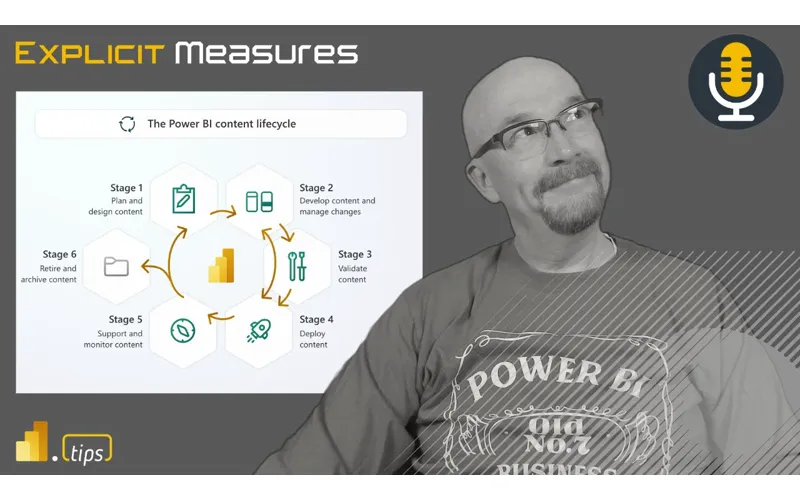
Mike and Tommy kick off a series on CLM (lifecycle management) for Power BI and Fabric, covering core concepts and why teams should care. They also share community links mentioned in the episode and set the stage for practical patterns you can apply in your own deployments.
News & Announcements
-
Easily Move Your Data Across Workspaces Using Modern Get Data of Fabric Data Pipeline | Microsoft Fabric Blog | Microsoft Fabric — We are excited to share that the new modern get data experience of data pipeline now supports copying to Lakehouse and Datawarehouse across different workspaces with an extremely intuitive experience. When you are…
-
Microsoft named a Leader in the 2024 Gartner® Magic Quadrant™ for Analytics and BI Platforms | Microsoft Power BI Blog | Microsoft Power BI — We are thrilled to announce that, for the seventeenth consecutive year, Microsoft has been positioned as a Leader in the 2024 Gartner Magic Quadrant for Analytics and Business Intelligence Platforms.
-
Power BI implementation planning: Content lifecycle management - Power BI | Microsoft Learn — This article introduces the Power BI content lifecycle management planning articles.
-
PowerBI.tips Podcast — Subscribe and listen to the Explicit Measures podcast episodes and related content.
-
Power BI Theme Generator — Create and download Power BI report themes using the PowerBI.tips theme generator.
Main Discussion
In this episode, Mike and Tommy introduce the first part of a CLM (lifecycle management) series and discuss why repeatable deployment practices matter as teams scale Power BI and Fabric solutions. They touch on common pain points teams run into, what to standardize early, and how roles and responsibilities evolve as the platform expands.
Looking Forward
To move this forward, choose one idea from the discussion and apply it to a current report or model. From there, write down what changed (and what didn’t) so the lesson sticks so the approach is repeatable.
Episode Transcript
0:32 welcome back everyone to the explicit mes podcast with Tommy Seth and Mike good morning everyone good morning and a happy Tuesday gentlemen oh yeah kicking it off with another week here we go jumping in our main topic for today will be around the documentation that’s recently released from Microsoft and the Microsoft team I think Kurt again is also involved in this one I can see his imagery in here I think as well we’re going to talk about the RBI implementation planning and specifically
1:04 implementation planning and specifically the content life cycle management so I guess it would be an acronym you could use CLM content life cycle management we just go through what the article talks about and our opinions or what we’ve experienced I think in a in a real world perspective I think a lot of the Microsoft documentation is the ideal state of where you’d like to get to and as this stuff roll out in real life so that’s going to be our our main topic for today so looking forward to going through that article the link will be down in the description below and also we’ll fill the link in the chat
1:34 also we’ll fill the link in the chat window as well all right jumping into news Tommy what do you got for us today so we we briefly mentioned the Gartner magic quadron release for the current year and again if you never heard of it Garner is an organization that really does deep dives into a lot of Industry specific technology so business applic ations AI automations and one of them is the state
2:04 automations and one of them is the state of the industry for business intelligence and data analytic platforms they’ve been coming out with this as long as I’ve been working in powerbi and I know since before that and biggest things they look at who’s the leader who’s a Visionary so we mentioned that it came out for the current year but I don’t think any of us had really time to dive in so I wanted to get your guys’s opinions now that we have had time to digest the white paper on what stood
2:35 digest the white paper on what stood out and I’m I have this feeling that we’re all going to be in a consensus well I really like their I like their approach of going through all these different tools and giving a little quick summary of what are they doing what what is the most recent developments what directional things are they going towards and then they always go through these little sections for for each tool whatever they may be Tableau powerbi click it gives you a little section around here are their strengths and here
3:05 around here are their strengths and here are their weaknesses or their cautions they call them cautions U and I think it’s actually a really good way of approaching seeing all the different tools together each tool seems to have there’s always something you can find that’s a strength about different tools so this is an interesting take and they’re adding the new data that’s coming out for 2023 so I guess maybe where I was going with that was maybe we should read through the strengths and then the cautions and kind strengths and then the cautions and maybe start there Tommy is that what of maybe start there Tommy is that what you’re thinking yeah so obviously we’re not going to go through all the tools but just right off the bat with
3:36 but just right off the bat with Microsoft why it stands out it is afford affordability and functionality it’s the ease of integration and that’s strong quote unquote strong combination of price functionality and ecosystem they did mention mention co-pilot co-pilot is branded closely with generative AI a weird wording there if you can go connect the dots and then a power portfolio of powerbi power apps and power automate I’m surprised right off the bat that
4:07 I’m surprised right off the bat that they didn’t talk about the integration with all the other Azure Services as one of the bullet points they’re still talking about the Power Platform as one of the main bullet points because they didn’t mention Fabric in the beginning now from the cautions point of view and this is the one I think we’re all G to share some sentiment on people are struggling with the governing of creating content and publication and going through especially with the era of co-pilot
4:39 especially with the era of co-pilot because there’s multiple ways to accomplish most tasks Azure is the only deployment option option obviously and really trying to see one L being a little more open and the tooling be a little more open so those are the main pros and Main cons for powerbi in this current year yeah they had a a proven interoperability challenge yeah Microsoft is getting they recognized
5:10 Microsoft is getting they recognized that one Lake was a definitely a good step in the right direction but really stepping back and saying okay what is actually the appropriate connection between Microsoft and other tools how can you blend the data with from other data sets snowflake I’m thinking or other systems together with PBI and how do they all play together I think some of the other tools do it a little bit better they’re a little bit more open data bricks is I think Seth you were talking about before we got on the call here it’s got a pretty good it will it’ll serve data any tool
5:41 serve data any tool basically well I think there’s just been a lot of focus over the last few years of of serving data right and part of serving data We’ve realized especially in in larger volumes is easier if you just open the doors to the access to your systems to some degree very control obviously security permissions Etc super important but yeah that that’s going to be an area that you can’t pretend you you can just create this closed ecosystem where
6:12 just create this closed ecosystem where all of these things work seamlessly within your organization because there’s so many use cases where there’s a b Toc thing like I have I have a customer that needs data and they need access to the volumes and I’m looking forward for hopefully future movement in that direction I think whether whether that’s a A paino or a caution in here probably on some road map I would imagine
6:43 some road map I would imagine like once they stabilize the ecosystem and get all of the products working together the way the products work independently in Fabric and that’s really where it starts to take off right like you think about the it reminds me of analysis Services tabular right a as a separate entity and we had the conversation all the time like between do we just go powerbi do we still use analysis services do we still do we do do we do use powerbi like and then over time what happened
7:15 like and then over time what happened was like at least in my Realms right the all of the Innovation all of the feature development all of the net new things in tabular analysis services or the tabular model semantic model was done in powerbi so it pushed you in that direction eventually and I think that’s what fabric is going to do ultimately right like we’re in this state where yes these services are options for us to work with but ultimately over time fabric is probably going to be a place where you get the best stuff and that’s
7:45 where you get the best stuff and that’s why you want to like dive into that realm when we get there I think that’s where you start to see some of these challenges or cautions right because Microsoft very apparent with Gartner or aware I should say not apparent aware of the cautions and they’re reading the same stuff we are but yeah it’s currently a challenge from that respect I think you’re seeing the the I respect I think you’re seeing the the one of the thing that sticks out to mean one of the thing that sticks out to me in the at least specifically around RBI and again I’m looking definitely compared to
8:16 compared to Tabo Microsoft has a win in the pricing structure their pricing structure is advantaged against most other players in that market you look at Tableau that’s one of their their cautions is their pricing structure they’re still PR ing it by user they’re still pricing it in a different way there’s not there’s not really a conservative effort looking towards the Enterprise and figuring out how to allow the Enterprise to step in and manage licensing at a at a larger scale the other one I’ve been working with a lot recently is click and I have
8:46 with a lot recently is click and I have to look them up and look at click and see what they’re doing as well but that might be another one I could look at and see how they’re performing as well because I I it’s it’s interesting I think it’s fun to see like their synopsis of these different tools after you’ve had some experience like working with them and playing with them you’re like man that’s been really challenging this tool or wow this is really expensive like and then you actually see them writing up like oh okay I am on on track here or I am thinking about the right things because they’re writing up the same experience here any
9:17 here any other s things the strengths here because you would think that it would be more of the same and for those who are listening just because Microsoft obviously owns your outlook and your calendar doesn’t mean by default it’s going to be a leader here it actually did not start off as one I I’m trying to read between the lines looking at the three strengths and it’s the integration with with Dynamics and it’s the Power Platform and that’s telling me that there’s really even with what we’re doing with fabric there’s really no
9:48 doing with fabric there’s really no other tooling out there that has that ability to in a sense create that inapp experience would you can with power apps either embed it in or how do you can really touch your data the original original fabric which was your integrate with power apps your automate with power automate and analyze with powerbi and that’s still even now is showing that no other tool is doing that or not nearly to the same integration that Microsoft has has done and maybe there’s I don’t know if
10:18 done and maybe there’s I don’t know if they’re trying to really specifically review review powerbi fabric is technically it fabricat is just more powerbi with other bells and whistles in it so maybe they’re focusing more on just like the powerbi side of things and that’s kind powerbi side of things and that’s maybe where some of their comments of maybe where some of their comments come from because I don’t see a lot of to your point Tommy there’s really not a lot of language here about like parb expand like I would like to have seen like parb expands into all the fabric ecosystem and makes much easier all of these other Advanced Analytical tools
10:49 these other Advanced Analytical tools but that might be actually a different section that actually might be a different not the analytics and powerbi overview that may be the the
10:56 overview that may be the the data engineering side of the world like so they may categorized fabric as engineering and like broke them out to that’s maybe why you don’t see the language here specifically for the fabric elements or rather in the negative well as individualized things right like and and that is maybe part of the problem of how these products as individual things have been defined and placed in the market and now it’s a challenge because it’s an entire ecosystem they make they they call it out in in the top before strengths and weaknesses that it’s part
11:27 strengths and weaknesses that it’s part of a broader Suite but if one of the strengths is it’s part of this ecosystem well that’s also a weakness of all the other tools right those are independent services that are not part of an ecosystem and I think powerbi has in general already had that right with albeit not the options we have in Fabric and it just becomes more strong so yeah I think they’re referencing fabric but not completely right like power Power Platform still so
11:57 right like power Power Platform still so maybe it’s the Evol ution of when fabric was available right going GA towards end of year that we’ll start to see more of that interwoven in the next Gartner review the only other two cautions right are governance and content creation publication like the complaints in there are no it’s not cookie cutter welcome to Microsoft products there are many different ways to to skin the cat right like there are and and it causes confusion we and it it
12:27 and and it causes confusion we and it it creates opportunities for us to talk about many different ways to implement but Mike you even deal with this I know in your in your class you you’ve talked about it on the podcast where there’s so many different ways which you can apply these these products and Microsoft has never really been in the business of this is how you do it right you have to do it in this way they give guidance and tools that like many different ways to to do
12:58 like many different ways to to do different things and I think that supports the use case but you have you have to invest some time into it their their third option has just Azure is the only deployment option there’s no iaz offering it’s like yeah yeah this is the same on Prem Cloud conversation like if we’re there sorry it’s not a weakness anymore right like you’re obviously we’re working in services and Platforms in the cloud you services and Platforms in the cloud this is where stuff is happening
13:30 know this is where stuff is happening get get there yeah I think just real quick the ban of our ex existence Mike I think is going to be that last sentence on that governance of content creation because you’re right it’s not cookie cutter and if it was so easy to do a wild west with powerbi semantic models I’m just looking at that sent just that paragraph I’m like that’s going to be that could easily be 80% of my time trying to manage that because you’re right it’s so easy to create so easy to
14:02 right it’s so easy to create so easy to integrate but it’s very hard to administer so I think that’s one of the real hyp I’m looking forward to see that hopefully I don’t have to use Virtual Nets as much looking at security papers coming from Microsoft but yeah it’s also interesting when you look up like key words that you use in powerbi like the word semantic model just looking at those keywords it’s also interesting to see like you look up one lake or and you see across the different tools what other tools are
14:33 the different tools what other tools are hitting in that space or using that same language or verbage there wasn’t a whole lot of language in the Microsoft even though there was a big push towards using semantic models for powerbi there’s not a whole lot of language in this around the the transition that they talk about models at this at this point so they haven’t really transitioned over to semantic models which they might be struggling Gartner is probably struggling the same way we are we still call them models data models the only ones who call semantic models and and maybe semantic models they’re still trying to get used to that new term but it’s also interesting to see like what other companies are talking about the semantic
15:04 companies are talking about the semantic modeling layer like Google scanning through here sap has a semantic model language there’s a couple little other honorable mentions at scale has this concept of a semantic model so I think Microsoft also is is strategically placing themselves in trying to be thought leaders or leaders in these spaces and so that’s one of the things that I think they’re trying to move themselves more towards is some of these other really big very controlled it Centric things are using the word semantic models I think
15:35 the word semantic models I think Microsoft is also saying look we’re we’re playing with you guys too it’s the same space except we’re just making it more yeah easily to click and build your own stuff inside a business users users World think I I want to lean into that one point right really hard if if if you quickly peruse the other tools within this not listed in and weaknesses that is a weakness in a ton of these other ones is just this like something
16:07 other ones is just this like something missing in their lack of awareness in the market not not resonating in the market something in the market like so if if if if I’m like what I can infer here like Microsoft is the farthest dot to the right and the the top it’s the leader if they’ve understood something every every every system every tool every person right has strengths and weaknesses which they’re pointing out there’s are like within the tool I think what it shows
16:39 within the tool I think what it shows though is they’ve nailed the market they understand like where where business intelligence people yes like the tooling that they need to build successful systems are there challenges in there yes but in comparison I like all of these others have like glaring holes or challenges like that are much that run much deeper I think and that’s what is the strength of of powerbi and I think eventually will be the strength of fabric interesting I
17:10 the strength of fabric interesting I like that observation a lot I and I man Seth is already have 45 minutes I only have one more H note and thanks to AI in general I I wanted to take the liberty of taking all the content here and what are the trends that we are going to ECT moving forward so three items that Garner is looking at and we’re looking at for the analytics business platform Market more textbase
17:40 Market more textbase interfaces for and saying the market is Shifting towards generative Ai and llms for the users to interact with their data multicloud and openness and then something called composable analytics the ability for the citizen analyst to easily create a some workflow and application to rather than building a model that’s going to live forever but shifting to enrich contextualize insights that can be
18:10 contextualize insights that can be easily easily discarded I I think I think Microsoft is well well anecdotally like the the second two like the second and third one I think they’re already well yeah well engrained in doing and they’re obviously doing the first one in co-pilot I I I I still think one like I am I I I’m stumbling here first thought AI I AI will absolutely change how we do things
18:40 will absolutely change how we do things I think that being the first thing is still a pipe dream like like to like think about how not a pipe dream in in near term right think about how many conversations we have around data quality data governance data being in a position where LLS or all of these tools can actually produce value Dax all of the modeling all of the connections like not saying it’s not going to be done right but H like pushing that maybe it’s
19:11 right but H like pushing that maybe it’s like a Future Vision thing where somebody can just be like yeah give me the sales for this and get show in a bar chart over this in our fiscal year and it will know all of the business logic and everything that we as business intelligence people like know the nitty-gritty of eventually we’ll get get there so maybe it’s like the long-term Vision but my gosh right now it’s like it’s like dude the prep work that’s needed to get there there’s a lot there’s a there’s a
19:41 there there’s a lot there’s a there’s a lot Seth remind me to send you an article after this because there’s something that send me an article after this yeah all right cool all right article R read sorry maybe maybe we should move on to the next to the next topic I do have other thoughts here there’s there’s other thoughts here we can probably move on we can probably talk about this the as the entire episode just keep going here but I think it’s worthy for us to move on to other topics here all right let’s move into our new segment beat from the street any main topics things that we’re doing as consultants or as owners or developers
20:12 consultants or as owners or developers in our companies what are we doing what’s what’s Happening in our worlds and what are we observing I’ll just throw my beat from the street this week U observing a lot of need from companies to just get started with their first project with fabric it seems like there’s a lot of effort of organizations to say look we’re close we know we need to start moving this direction I also see a lot of interest around Dev devops believe it or not so with with companies getting more comfortable with
20:42 companies getting more comfortable with the whole powerbi git integration I think many organizations understand the value of it but they’re a little hesitant to get started with Git which I find it very interesting and also it’s more of this we don’t really know how to use Azure devops and after I show them or go through an example Le there’s a there’s a tendency to be like oh that wasn’t that bad it wasn’t it wasn’t that challenging so I think there’s some more education that Microsoft should do on their side to say it’s not that large of a barrier to entry to get into the Azure devops and
21:13 entry to get into the Azure devops and using repos I think there needs to be some some more blogs or maybe the community needs to pick up with this a bit more and run with this torch a bit more but I feel like there’s a there’s a need here for organizations to get started with their Fabric and they’re they’re looking for like those first initial project where this is a good fit one thing I will observe I feel like a lot of times when I’ve been doing anything around realtime analytics it’s been quite expensive on the compute units consumption I’ve done some very small I I feel like I’ve
21:43 done some very small I I feel like I’ve done some things that what I would say I’d argue as smaller projects they haven’t been very large moving lots of files lots of data I still I I’m really leaning on
21:53 data I still I I’m really leaning on this whole idea of micro batching or doing a very small job very quickly as opposed to to having something that’s always on and streaming data in I think a lot of organizations still are asking for realtime streaming we need realtime data that’ll make everything better and there’s this misalignment with you realize that’s going to cost X much more money because it’s always on you’re always trying to have machines run and do things it might be actually just much better for you to say let’s plan you
22:23 better for you to say let’s plan every hour or every four hours or know every hour or every four hours or doing things in a little bit more slower pace that conserves your compute units and not consume so much a good way to start that conversation like H have your slide that’s like real time versus batch cost like cost example yeah exactly I I can run this thing at X it’s going to be here’s what batch costes you
22:54 costes you costs and to do the same batch or you costs and to do the same batch or same thing for the same data loads know same thing for the same data loads real time yep 5x whatever whatever the whatever it is it’s going to be a multiplier and then it’s going to be some big multip that is the conversation oh really that’s that’s a lot what data do we need that fast all the time can we do what if we did like twice a day or three or four times a day yeah much cheaper much cheaper let’s do that I guar that’s gonna be the
23:24 I guar that’s gonna be the conversation yeah really important there to note goad Tommy you’re you’re talking about the companies are trying to get started with their first project I’m intrigued how early is the devops part coming in so if they’re saying we want to get start with with fabric what’s the order of operations on average of questions is it we need a lake house what’s our structure and then devops I’m assuming it’s not that early it depends on the organizations
23:54 early it depends on the organizations some are most of these are have already been playing with fabrics for so the devops portion or or conversation is usually around hey we’ve been we’ve been using fabric for a little bit we’ve got some stuff in in deployment we’ve already built some things can you give me some more details around the pbip format how would we use it how do we turn it on and it’s less about the understanding of oh I can turn on a workspace to G it’s more about we really like this idea of being able to see all the changes in our files stored
24:24 the changes in our files stored somewhere what they what the need I think turns into is we’re just uncomfortable with how to do it inside Azure devops Azure devops is something new to them how do you set it up what’s the team look like what things do I need to click on Microsoft makes really glazes over I think a lot of that documentation around what that is also there’s this again another thing here that I think is going to be relevant when Microsoft comes out with the the GitHub side of things right so this is also something that needs to happen in GitHub as well is
24:54 GitHub as well is How do you I I guess what the question would be is in these tools there is a limit of licenses that you can use inside Azure Dev Ops unless you’re going to pay for them so there’s this stakeholder this this basic licensing agreement thing that you can get with Azure def Ops you have like a certain team of a certain size you can just add people to it until it hits a certain limit then you need to start paying for things so also I think a little bit of a licensing question here Microsoft said oh it just works yes it does if you have a team of 30 people
25:24 it does if you have a team of 30 people it’s going to be different pricing for you than it would be a team of like three people so there’s also some strategy there as well thinking about how do you do this CU you want to store all the changes but I don’t want to pay for yet another service so that there’s also some other things there that are hidden under the covers that I don’t think Microsoft has voiced or had a lot of vocal portion in their blogs or their or their content yet around that anyways I’m actually really excited for workspaces to get to GitHub because I think GitHub will be a great equalizer but there’s that’s these are only two Version Control tools there’s a
25:56 only two Version Control tools there’s a ton of them other ones gitlabs bitbucket there’s a whole bunch of other tools that were available out there how are you going to integrate all those how is it going to work to make all of these tools work in a similar fashion it seems like they’re going to need to expand this fairly quickly start with the most widely used Version Control platform and go from there maybe yeah I guess It’s it’s one of these in mean it’s it’s one of these in companies make these decisions way before powerbi showed up right these These are long-standing decisions that
26:27 These are long-standing decisions that companies have made we’re we’re a GitHub company oh we’re a bit bucket or we’re a Confluence type company or whatever they make these they make these decisions very early on and like you just got to like well we can’t use that because it’s just not part of our ecosystem but but the there is some validity to that right like when when you centralize especially around like data documentation like if if you’ve got years of information and Confluence right like it’s hard to rip out and go to some other platform just because
26:58 to some other platform just because because somebody wants to use it and then the challenge and this is the proliferation of third party apps within businesses that is crippling or can be is if you have too many of those you start to Silo information into different parts of the organization and it becomes very hard to cohesively pull things together so the there’s pros and cons to both right like like I get get it yeah anyways interesting things on there as well so that’s those
27:28 there as well so that’s those are my initial Impressions I think there’s a lot of companies interested in it I think people are trying to get their feet wet U microf is is touting this whole real-time analytics I’m not sure people are ready to spend the money on it yet at this point and I don’t think there’s a lot of people blogging about this the scale and the options here right there’s an option of doing micro batching there’s an option of doing real time what’s really the cost difference are we talking a 10x cost difference is it always a 5x like I think there needs to be some more people trying out patterns and figuring out okay what’s the right speed here but I I’ll always argue real
27:58 speed here but I I’ll always argue real time is going to cost more period I’m curious how much that demand for real time is because if I’m getting an organization that really wants to begin to put fabric into production we start with lak house we start with one Lake yes I think the the real time even the even the devops too if you have a team that does not have the knowledge there you start with integrating your data into a one Lake because it’s very easy to go back so I I would be amazed at least on on your end if
28:30 amazed at least on on your end if those questions are like I know we want to get started but we like to get co-pilot set up and when’s GitHub gonna be ready also we love the real- time event Hub I feel like that’s really missing the the train or missing the the foundation there I don’t think people are actually asking for those features honestly no one’s asking anything about co-pilot no one’s asking how to get it no one’s asking to get into it it just seems to be like okay yeah it exists it’s there I think really more along the idea is we’re talking about bi so maybe the trend here is
29:01 about bi so maybe the trend here is we’re talking about business intelligent teams that are coming from tools whether is not this git integration there’s it’s not there right so we’re talking about users that are in the business that are potentially building things for their Department they’re used to using Excel and SharePoint that’s what they’re used to doing if you Version Control things it’s a SharePoint and even still it’s like SharePoint online is kind like SharePoint online is a bit newer as well like people are of a bit newer as well like people are just storing files or versioning things with numbers on files at sometimes as well so there’s also this growth as well happening that okay we’re going to move
29:32 happening that okay we’re going to move away from the SharePoint experience we’re going to build models and thin reports and we’re going to store those inside git and I I think there’s a very low friction path here around you can just turn on the Git You can just turn it on link it to a repo and just let it synchronize just make it part of your pattern so I think there’s a even with the integration that they’ve got now there’s a low hanging fruit option and then there’s a more elaborate EXP experience right do you just need copies of things that are in the workspace so that way someone screws up you can roll back okay there’s
30:03 screws up you can roll back okay there’s an easy way to get there and you just let the system run by itself and you’re not doing a whole lot of like reviews then there’s another system where a lot more elaborate where I’m cutting branches I’m using different things and I actually think that gets a little bit in today right so that whole idea of using these more elaborate versioning tools really I think plays a lot with this life cycle management piece because there’s going to be a bigger team like when you talk about bigger teams they’re going to need better tools more control bigger better faster
30:34 tools more control bigger better faster bigger better faster all right with that I think it’s a good transition to our actually main topic today let’s go into our main topic the the main topic today is we’re going to be talking about the content cycle life management we’re doing the content life cycle management overview I’ll put that in the chat window as well there’s our topic for today Tommy you want to give us a quick overview of the the life cycle management tool there’s a great in graphic that’s there today that’s going to make it to the thumbnail for for sure I what I used to do with
31:04 sure I what I used to do with these thumbnails and diagrams I used to print them out and put them on my wall I feel like I need to get to this again because these some of these are great man so what we are beginning today what we are starting today if you remember we did I believe last year and quarter four we really went through the implementation planning implementation Tuesdays Well turns out that Microsoft’s been working feverously and now as an entire subsection I believe eight to nine different
31:36 believe eight to nine different articles that we’re going to dive into every other Tuesday yeah every other Tuesday we’re going to be doing it our CLM overview or or Series so this is part one just the overview and really what it’s talking about is finally finally what is content life cycle management if you’re never been if you were never a developer what does it mean for fabric content artifacts what does it mean to build deliver update and
32:08 it mean to build deliver update and then retire in the world of powerbi one of what are the best practices how do you actually validate your data how do you actually deploy it efficiently and then going through and monitoring and finally retiring it so there’s a lot of overlap between what we do in CLM especially with software or web developers and usually there’s never been something dedicated just for the business intelligence Pro and I think
32:38 business intelligence Pro and I think I’m loving that there’s all these articles out here and especially where we with fabric to go through what is it really look like yeah I I I like I think many
32:49 like yeah I I I like I think many organizations are not really paying attention to this I think I think there’s there’s a lot here that are not I think everyone’s very good about developing maybe some validation definitely good about getting into content out there deploying things but no one’s monitoring it no one’s retiring it those are things I think that are just purely missing I feel like anyways I’ll I’ll I’ll jump in there I love the little hexagon diagram this is really good I actually have a
33:20 this is really good I actually have a talk that I’ve been doing well before this when was very similar to this about how to refine or make your existing content right it required just get something out there go back review and then repeat the cycle again that’s how it goes it’s it’s going to be this Evolution all right thoughts Seth’s got a lot of thoughts I can see it already no I want to I want to lean into like what okay so if we’re gonna talk about this for six or eight episodes
33:54 Mike tooling aside get in trouble right now no tooling aside what what state you outlined some of the stages like how many organizations that you engage with like have a rocking content life cycle cycle management process because ultimately it’s a it’s a process that’s a great question versus not it can be a percentage let me I’m gonna maybe answer your question maybe I’m I’m taking it off the rails here as well if I look at
34:25 off the rails here as well if I look at what organizations are good at doing they they have a really good process or most have processes around getting requirements so plan and design they have really good around development right who we’re going to get the requirements we’re going to hand it off to so and so and they’re going to create the ticket get the report started and then they will deploy the content things that I see that are weaker to your point Seth like where do I see organizations doing well they do well in those stage one stage two and stage four those seem to be very solid
34:55 stage four those seem to be very solid we understand how to make that work where things and this might be just part of the function of Microsoft’s tooling again to back to the Gartner conversation earlier right it’s not as easy to validate content it’s not as easy to monitor how long it’s been running or who’s using it it’s also not easy to retire it and kick it out of the system so I think a lot of what I addressed in the class around deployment and governance pieces is okay how do we address like what do we do not
35:25 how do we address like what do we do not all content is created equal some content can just get with at the door and sent other content needs to be validated heavily and and you lose trust if you don’t validate stuff and then how do you maintain and support it who’s actually using it should we be killing this stuff I think there’s a there’s a lot of other Cycles here and when I when I look at this chart or this graph this is about powerbi content life cycles this is not just the report I’m I’m looking at this in a lens of hey
35:56 I’m looking at this in a lens of hey there’s semantic models how do you you m this is the same process you would use for the semantic model this is the same process you would use for your lake house or your one Lake like there’s a lot of other artifacts here that I think are need to be considered and I think many organizations are only focusing on the reports it’s just the reports or maybe the app if we’re lucky and there’s a lot of other things here that we should figure out how this fits into our life cycle management for tables and lake houses for example yeah and this this is the big part I think of that I’m
36:27 this is the big part I think of that I’m really excited to go through this series back in the day Microsoft actually had a adoption PDF or white paper that was only available to download I think the last time they actually updated that was like 2017 and that was all about that planning and adoption for your organization and obviously at that time it was just the model and the report that’s what we were building but to your point Mike I I I see the same thing where people or teams are great on the Gathering require Ms totally the there’s
36:59 Gathering require Ms totally the there’s no Universal Tooling in terms of how they actually gather the requirements and how they go through it some people do Word documents some use Confluence some have some archaic system but they at least are all attempting something around there but yeah once it’s published and then also trying to see does something like this already exist in the environment can we how do we actually validate because x y and z that’s really weird a lot of teams are
37:29 are struggling but let’s focus on where we’re going at least for our series because now the questions are ever expanding because rather than who’s asking for what report are you trying to create create it’s what are you trying to do and that could that’s going to lead down a different product is it going to be a lak house or is it gonna be a semantic model a different topic though I think I like what you’re going like what mean I like what you’re going like what are you to do is the bigger question
37:59 are you to do is the bigger question around some of this a little yeah but I’m look but when I look at the powerbi content life cycle that’s not addressed in that that Circle of things that where like you’re right the the what should we be doing should be informing a lot of this content creation to do this but like once we’ve defined it I I feel like that’s a I think what you’re talking to is like a higher level and this again as I look at the powerbi content life cycle slly reading ahead yeah you might be reading ahead a little bit and like where you want to be going cuz that’s agree with you right
38:29 cuz that’s agree with you right if you’re doing things that are not broadly aligning with the company’s goals or objectives then again it’s it’s back to our very simple dis distillation of like what you’re doing right if this thing isn’t making you money or saving you money why are we doing it yeah I think I the the only reason that I I wanted to lean in a little bit before we get dive into all these stages tooling or different ways is I think I resonate with you Mike in that the stages that
39:00 with you Mike in that the stages that you outline are probably the ones I’m going to talk about more because like validation who validates and this is how do you validate like what’s your pattern the initial yeah like who’s responsible right like like because these requests come from so many different places or people do you have do you have a team that validates data like does the person validating the data understand how to validate the data are they doing that just in small microcosms of like like
39:32 just in small microcosms of like like hey I’m going to check this account I’m going to check this product I’m going to check this whatever and not check the other 98% of what was created right so I think that’s a real a real problem to solve or talk about in organizations monitoring to me is is just is the data still valid these are live systems right data pumps in all the time and what does that speak to Quality and governance y right so like longterm and then retiring is almost a
40:04 and then retiring is almost a are we wasting money or potentially creating confusion because we have so much stuff in the system and and that one I love to talk about because if you always look at your systems like we have a we have to on board somebody new tomorrow what are the what how do you how do you teach them about the latest like what what have you done what does the system look like Etc and when you look at get it through that lens oh my gosh there’s so much you’re just like can I I’m going to delete it delete delete delete remove remove remove offline offline right and when
40:36 remove offline offline right and when that’s part of your cycle you wouldn’t have that problem so I would agree with that one I’m intrigued and and if you want to take it somewhere else as let me know but I think one of the big things I’m asking myself as as we begin this new journey is what does CLM or the life cycle management look obviously know we’re when we talk about a centralized team but what does that look like especially when you go back to the Gartner issue or where it’s the self-service the ability
41:06 where it’s the self-service the ability to create the inability to govern so I wrote down CLM versus self-service vers vers governance and I’m thinking about this right now in terms of obviously we’re gonna plan the bi Pros they’re going to plan they’re going to follow this more or less to a te is this something that we should be pushing and encouraging for the self-service citizen development and then I think the last part of that triangle is how much is CLM integrated with the
41:38 much is CLM integrated with the governance program so I liked your I like what you’re going this Tommy I think if we’re on the on the overview page and we’re going down to the approaches to managing the content I definitely think there’s in this self-service area I definitely think I’m I’m focusing on it’s simpler for people to manage you don’t want to overburden and this this is where I I feel like a lot of conversation happens I don’t want to overb overburden the team that’s generating reports analytics tables of data pipelines like all the I don’t want to overburden them with process so that we can’t get anything
42:09 process so that we can’t get anything ever done and and so and I’m when I’m in a when I when I’m in a team that has only one or two key responsible people for doing analytics I find that those organizations what they’ve done is there is a couple people that are really sharp they’re the ones in charge of doing the analytics and everyone else in the can kind they’re busy with other things and they just need to be able to consume data quickly from that team and so in those smaller departments where you have less people you don’t need a lot of rigor you don’t need Git You don’t need
42:39 rigor you don’t need Git You don’t need all these automated things unless you really want to spend some time learning how they work and to best incorporate them in your business process so I really like their second image in the article talking about the approaches to life cycle management I think this is really good right step one here’s designing what does that look like and I’m not sure why they have coll collaborate in teams as step for one design and create content I get it but maybe they’re talking about just having conversations in teams or maybe it’s a planner that’s in teams or something like that I’m not sure it
43:09 something like that I’m not sure it doesn’t I have to read up a little bit more on that one I don’t really quite understand why they’re talking about collaborating teams at that first level there but as you move down right it’s a lot of like okay store your files in one drive create everything from desktop desktop and one drive seems to be like your jam if you’re a smaller team that’s doing self service when you move into the Enterprise team this is where we provide a lot more Automation and I think in a small company you’re going to have a lot of self-service type design as you expand your your your scope of
43:41 as you expand your your your scope of your project or expand into larger
43:43 your project or expand into larger organizations you’re going to have a lot more of the Enterprise Solutions in addition to the self-service so I don’t think of this as a one or the other I think of this as there’s going to be a lot of content that is going to be self-service already across the large Enterprise organization you want to design for that but also you need to be able to plan for there will be some strategic data sets there’s strategic teams that are going to develop data and you want them to share their data across the organization that’s where the Enterprise stuff needs to come into play and I think that’s where it makes a lot of sense to
44:13 makes a lot of sense to me what doesn’t make sense to me like Microsoft teams like if I’m planning in designing content I agree like that I would have put Excel there I don’t I don’t want like the the challenge with that in in in the regard of what what is the outcome of plan and design that is the thing right that everybody wants to go back and and talk to or speak to so that is like this is designed or geared
44:43 is like this is designed or geared towards the developer but at the same time how are we communicating right like where’s the standard requirements for the thing we built and and I don’t want to I don’t want to read that through chat messages like that should just be that’s that’s a poor way of managing that the out the outcome of maybe a lot of the conversation in in teams right but the outcome of that is something I should be able to go reference because at the end of the day when I don’t do validation and I don’t clean up after myself and I’ve deployed
45:13 clean up after myself and I’ve deployed something that is wrong right or the business didn’t ask for where do you go reference right like so I I don’t know I like I get it yes it’s great to communicate across teams with Microsoft teams but in my mind like unless there’s that’s the links to where my file is or where our standard document or if we’re keeping in Microsoft realm and and in the self-service like where’s my PowerPoint slide that says here’s the requirements
45:44 slide that says here’s the requirements here’s what it looks like it’s an odd one well that’s only because they don’t have a product that compares with jira and Confluence they have planner I would I would have easily said teams and planner like you can get that verbatim if you’re in teams you can add the little it’s a SharePoint list that’s backlog to do and done right you have a little a very simple backlogging item I think and honestly I’ve used that a number of times there’s Monday tools have used this the to your point Tommy jira
46:14 used this the to your point Tommy jira or some other tools by the way I’ve been using Azure devops religiously as my tool tracking for work and work items dude jir is way better I I’m I’m holy cow I have I’ve been so hard I’m thinking like it’s got to work it’s got to it’s got to be a tool that I can use and I got be able to manage and plan content but boy jira has been so much more easy to use and so much less
46:44 more easy to use and so much less friction to get tasks in and describe what you’re trying to do it’s been crazy how much easier it is to organize things inside jir anyways Microsoft do better yeah regardless I think it’s maybe maybe it’s a shared simple thing or maybe it’s not I don’t know how that wouldn’t fall into self-service but well I think the there needs to be a byproduct of something yeah yes I agree the bigger item we’re talking about is there’s those are the extremes of the extremes for the number
47:14 extremes of the extremes for the number for for the very first step either we’re chatting in teams or to your point Mike we are full D full dive into development with with devops and there’s there’s got to be something something in between for called the the bi Pros I’m not a citizen developer I’m not a full-on developer so where do I start and I think that’s I think that’s what we’re going to see a lot of in this documentation I’m I’m not necessarily reading ahead but with all the different items and artifacts is
47:46 the different items and artifacts is there’s got there’s gonna be this middle ground because do we cater to the extremes if we’re very early on for all citizen Dev or do we go dive into best practices from a development point of point of view that’s a good point because you’re you’re I think you’re speaking to Tommy like what’s the what’s the point and the like where’s the edge in the cliff that I need to say okay I’m done with using teams I’m done with using SharePoint or one drive and I really do need like
48:16 one drive and I really do need like where is that threshold where I really do need to go into we’re ready to start doing Azure Repose we we ready to really start doing Azure test plans and this is another thing I’m also going to be like very like leery of in the section called validate content it’s manual testing and powerbi then there’s Azure test plans what on Earth Azure test plans are people doing to run this in a deployment pipeline using Azure repo like who’s doing this the only person I’m aware of doing this is John kky in his blog around how to build tests around things
48:47 around how to build tests around things so there’s no easy tools or solutions that I have seen that have been developed yet I think this is actually an opportunity here’s your here’s your million dollar idea the world build that want that don’t even build don’t waste the time but you you you talking about opportunities right one of the Gartner confusion thing like confusion around stuff yes what what do end users who are using Fabric and powerbi do they come to the documentation here they see a graph like this and they’re like I want to be
49:17 like this and they’re like I want to be an Enterprise scenario yes here’s here’s here’s what I’m being told to go use I’m G to go look up who’s built this before and what they’re gonna find who said Nothing crickets so so there so how does that reinforce the strategy here of here go use our products here’s how it’s done here’s an Enterprise solution and then there’s nobody there’s no process they can follow I think that’s that closing that Gap I think is
49:47 that’s that closing that Gap I think is really important for removing that as as a a concern I’m going to LIT I just wanted to lean in there because of like the what you were saying and how you were saying that brought forward that thought I’m I’m literally going to be Googling like how do you as your devops test plan for powerbi and and looking to see if any there any arguments for like and is there any articles from Microsoft that’s talking about this one I don’t think there’s any there’s no articles
50:18 think there’s any there’s no articles there’s there’s nothing so like even even if you’re reading about it right now and not implementing I would assume not many people are using think it should be more accessible because we actually have file formats now that are actually made for G or made for repos so that’s the one change but no I I agree and this has been the constant struggle too where Mike I think you and Steve you built a power app we built an app internally on my old organization we used
50:50 on my old organization we used checkin and checkouts with SharePoint corre to catalog everything using sharepoint’s actually pretty robust for Che really not yeah and like so there’s definitely been things that we’ve implemented but again not necessarily all Universal and more importantly they’re not all perfect and again not necessarily we’re always going for perfect here but like the validating content is such a such a headache but I think just for us when it comes to like what is the best way from
51:21 comes to like what is the best way from start to finish to work and create manage and validate a artifact in powerbi that that’s integrated right because I can do the whole thing with apis and the activity tracker and all that and create a model but again it’s still very convoluted right and I think this is the big part here here where the other side of the coin since we’re more business facing I think than your normal developers whatever platform
51:52 your normal developers whatever platform or I guess whatever process that you put in place there does need a have visibility in you’re us you’re either the governing Council or stakeholders so you’re not just using some heavy heavy Dev product because at some point your stakeholder your your CH your Chief sponsor is GNA want to see what’s going on so there needs to be Insight in that too which is something that really does need to be Tak accounted for yeah
52:24 does need to be Tak accounted for yeah and I guess where I’m going here on some of this stuff is like and this is where I was saying earlier a lot of the Microsoft documentation is this ideal State you have unlimited time you have unlimited people you have unlimited resources like some of this is looking like a very big picture like there’s no automation around automated test plans it’s not something it’s something we should be doing this to me again maybe I’m I’m reading between the lines here a bit too much this is where co-pilot should be be placed this is where large L this is where models should be like why can’t I send a report through an AI
52:54 why can’t I send a report through an AI model and say Here’s the L of my report just what changes occurred even visually on the page like it this is where I think stuff should be simplified and you be you should be able to run like think think of like what what AI is good at it’s good at doing these like very minutia detail things it should be able to interrogate the file it should say I should be able to send a PBX file into or even like a model potentially into a large language model and say tell me what changed
53:25 and say tell me what changed get are anything is there anything drastically different here and it should be able to go through that model and either provide a bunch of summary tables figure out what changed between version one version two because it’s it should be very consistent depending on the deployments and its expectations of what it comes back to you should be very similar to what you actually changed right this is I think a really good opportunity for and this is one of these things like adding descriptions to your columns adding descriptions to your measures this is all stuff that we need we know we need to do but we just don’t
53:55 we know we need to do but we just don’t have time to do all this stuff this is where the the large language models in AI should be producing the help get rid of this work for me and make my work better that’s a that’s a really good point especially with like the monitoring and validation and stuff yeah why can’t I just shove an image in and say Here’s here’s image one I built it yesterday here’s what image one is I made a change here’s image two boom even even from a data perspective hey LM have you noticed any significant changes in the data structure from like yesterday to today yeah oh yeah there’s all these all data is missing or
54:27 there’s all these all data is missing or like it was this form and now it’s this you had three years of data now it’s two years of data is that what you wanted to do suiz form it summarize summarize this data for me oh here’s here’s the total sales by year or here’s the total sales
54:38 sales by year or here’s the total sales by month and year cool oh I can see look I see how the numbers are different now like to me that’s where AI should be like doing its work that that’s a lot of lwh hanging fruit and I think that from a developer standpoint adds a lot of confidence oh I actually do know what I’m doing or oh yeah I did make this change and this is what I was expecting from the change I think a lot of this is helping you get to that point because you can make changes to models but that may drastically impact the change on the report changing a simple measure somewhere in the report could have wide implications another one St that would
55:08 implications another one St that would be really good here as well AI should be smart enough to say and maybe this is just a lookup thing and again I Alex poers always yells at me for this he goes why are you always trying to use like co-pilot as like a lookup a fancy search Tool but there’s this also this concept of show me where this measure is used us across everything I own and it should be able to scan it should be able to have access to all the information right all the Excel analyzing excels that have been running the queries have been there all the other reports all the other semantic
55:39 the other reports all the other semantic models and large language models that were AI should give you that hey here are 10 calculations that all basically mean the same thing but they have different words for what they describe them like this is to your point Tommy a long time ago is how do we understand the data Catal of what we’re building man AI could really help with that I think AI recommended me common measures that I should be using across my environment and it should scan all the models and say oh here’s here’s a data set this data sets used this many
56:10 a data set this data sets used this many times oh here’s the measures that are being used by the thin reports and the regular report here’s what people are doing with it it should be able to to from the queries be able to produce to you this is the most interesting or populous information about your whole system and maybe that’s just super advanced search I don’t know thoughts I can well I I agree with you Tommy what about you dude I’m you just made me think of a hot take of the of Tommy’s hot take
56:42 of a hot take of the of Tommy’s hot take of the of the things that Tommy likes to do he likes to put large he likes to put AI on his computer which basically trashes his computer so that’s one thing that Tommy loves to do so cost anything that’s for sure the fact that I’m pandering to your area is probably like a good thing sorry no to to say earlier Point there’s a lot of setup that’s going to need to be done before that that just works but all right let’s let’s go back to the hot Tak there are two ways one of two ways I was going to go with this around a little more governance but
57:13 around a little more governance but let’s see if I can get Seth off the one rating so the word not in front of it remember that’s what that’s why I actually changed it so I actually already crossed it out so here’s the hot take all right Tommy’s hot you are a large organization or a team of business intelligence professionals at organization because we’ve never already we’ve never had a product already that just works with powerbi CLM you do not need at all any git or
57:45 CLM you do not need at all any git or version control system that a developer uses if you are an Enterprise organization or even a midsize organization using powerbi it is unnecessary so I have to agree or not agree with their statement one to seven so seven would be agreeing that you don’t need it you you do not yes exactly exactly this is what happens when I do not put the notot in front by
58:16 when I do not put the notot in front by the way I I you just you just want my number on the other this number to be high high so talk about manipulating the numbers Tommy doing it right here right now you make you make these declarative black and and statements okay seven okay so you definitely so you definitely do not need it completely AG with do you do you need it to deliver a product or deliver something to the business
58:52 no is it the best product are you going to have issues are you like are there going to be potential problems that like manual work and manual checking and all of that stuff is going to create headaches and more work and more burden for the organiz yeah that’s why those tools exist so that you don’t incur all of that but can you deliver something without it yeah what do you think self-services I’m I’m G to air on the side of I’m probably going to give it a six I’m with Seth I think I think it’s
59:22 six I’m with Seth I think I think it’s something you very strongly you don’t need to there a organizations that are very large that are doing this without a ton of automation however if you see yourself becoming a large organization I would I’d be willing to bet let me let me step back here automation is your friend I’ll just say that that’s that’s the main key Point here and a lot of what powerbi does is it automates getting data together shaping into a model and regularly reloading that data over and over and over again that’s the value of powerbi
59:52 over again that’s the value of powerbi as we get to larger Enterprise Solutions the ability to automate more of that process through developing validating deploying that becomes more important rodent quality validation all those things all that the quality of your product goes up when you start automating more so can you deliver something without it yes should you and should if you get to that scale should you continue to stay in that you’re just going to throw more people and bodies at problems so your analytics team will
60:22 problems so your analytics team will grow and I think that’s not what we’re trying to do we’re not trying to throw in a new tool to grow our analytics team larger we’re trying to do more with less people this is common across every Department honestly right this is yeah if you would rephrase the question say would you recommend would you recommend that a business not engage in life cycle management or some of these tools when even when they start their powerbi Journey like where would you fall in the Spectrum like obviously you’re going to get a better like a more
60:52 you’re going to get a better like a more a nuanced stand because what what we’re outlining is can you can you throw stuff out there yes are you going to pay a price in the future absolutely is that price larger the more it just explodes and people doing whatever they want yeah it’s a giant mess at the end of that tunnel if you have no quality checks no validation no nothing and then like is the organization in a very worse spot down the road probably because you’re going to lose trust in your data and when you do that then you might as well just scrap it and start over well I
61:23 just scrap it and start over well I think to your guys’ point we don’t really even have an out of the boox automation tooling the only thing we have is deployment of pipelines and apis and power but this outlines there are methodologies and different tools to do the different things you don’t got to go straight to get you don’t got to straight to devops right it’s the process that’s important my my final thought is this I I’m I’m hung up on the Trap right if you think if you guys think about when you show a slide and a presentation of numbers regardless
61:55 and a presentation of numbers regardless of how you put together it becomes what people believe or think right that’s true until it doesn’t and I think slides do the like I think documentation does the same thing so while a lot of the Microsoft technical documentation has this is just a way to do something this is an example the the Trap here is you’re not understanding your audience I don’t think if you want to build your ideal State that’s what you should do in this documentation because
62:25 should do in this documentation because a lot of people are coming to this without the knowledge and they’re going to read I want to be Advanced I need to do Enterprise this is the way Microsoft is recommending I go do that I should absolutely have a reference blog or a process or a way to implement what you’re recommending in this documentation or give me a link to your rep that I can call so they can show me how it’s built because this is how people are going to go build bu it is it
62:57 people are going to go build bu it is it the only way no it’s not if people are familiar with Microsoft systems or want to use third party things they can they will but how many people come to this stuff and go this is what Microsoft is telling me to do I don’t know how to do it hey Microsoft show me how to do it there’s no place I can go what’s my next step what’s my action right and if I was going to say anything don’t just throw content out there people want to see these slides they’re believing that the advance Enterprise way to do this is
63:27 advance Enterprise way to do this is using these tools show them how to do it like it it’s a simple path to actually like selling these products and engaging customers in the way that you want them to but you’re not leveraging it the way you you should so I will try to back out of some of these as we go through to like not be so critical because I think there’s a real opportunity there but we’ll we’ll talk about the Nuance and overall I think this is a valuable conversation to outline for folks
63:57 conversation to outline for folks where there may be challenges in just the process not the tooling and I think both of those things will go along as we we talk about this more man there’s some there’s some good stuff coming up and I’m looking ahead here a little bit I’m looking at validating content man there’s some good talking points we’re going to have we’re going to hit it hard here on a couple of these these talking points because yours you’re firing all on all cylinder set I like your comment there because I think this bodess very well for the next couple things are coming up too there are certain areas of these of this process that are robust robust and
64:28 process that are robust robust and defined there are certain areas that are not quite there yet and you’ll see it in the documentation as it shows up later on so awesome like it thank you very much for your time this has been a really good episode lots of discussion frankly it took a lot more time than I thought it was going to be so thank you for sticking around with us for this whole time we appreciate your your ears and you’re listening for this hour of time with us our only request is if you like this content if you found this was valuable and if you’re interested in learning more about the content in life cycle management stick with us for the next couple series on episodes on Tuesdays we’re going to
64:59 on episodes on Tuesdays we’re going to do some more of these every so often here so stay tuned more is coming and with that Tommy where else can you find the podcast you can find us on Apple Spotify or wherever at your podcast make sure to subscribe and leave a rating it helps us out a ton you have a question an idea or topic that you want us to talk about a future episode head over to power. tip podcast leave your name and a great question join us live every Tuesday and Thursday a. m. and join the conversation all powerb tips social media channels excellent thank you all very much and we’ll see you next time
65:32 very much and we’ll see you next time [Music]
Thank You
Want to catch us live? Join every Tuesday and Thursday at 7:30 AM Central on YouTube and LinkedIn.
Got a question? Head to powerbi.tips/empodcast and submit your topic ideas.
Listen on Spotify, Apple Podcasts, or wherever you get your podcasts.